

Is CBS the Real Reason B&B’s First Gay Character Keeps Getting Sidelined?
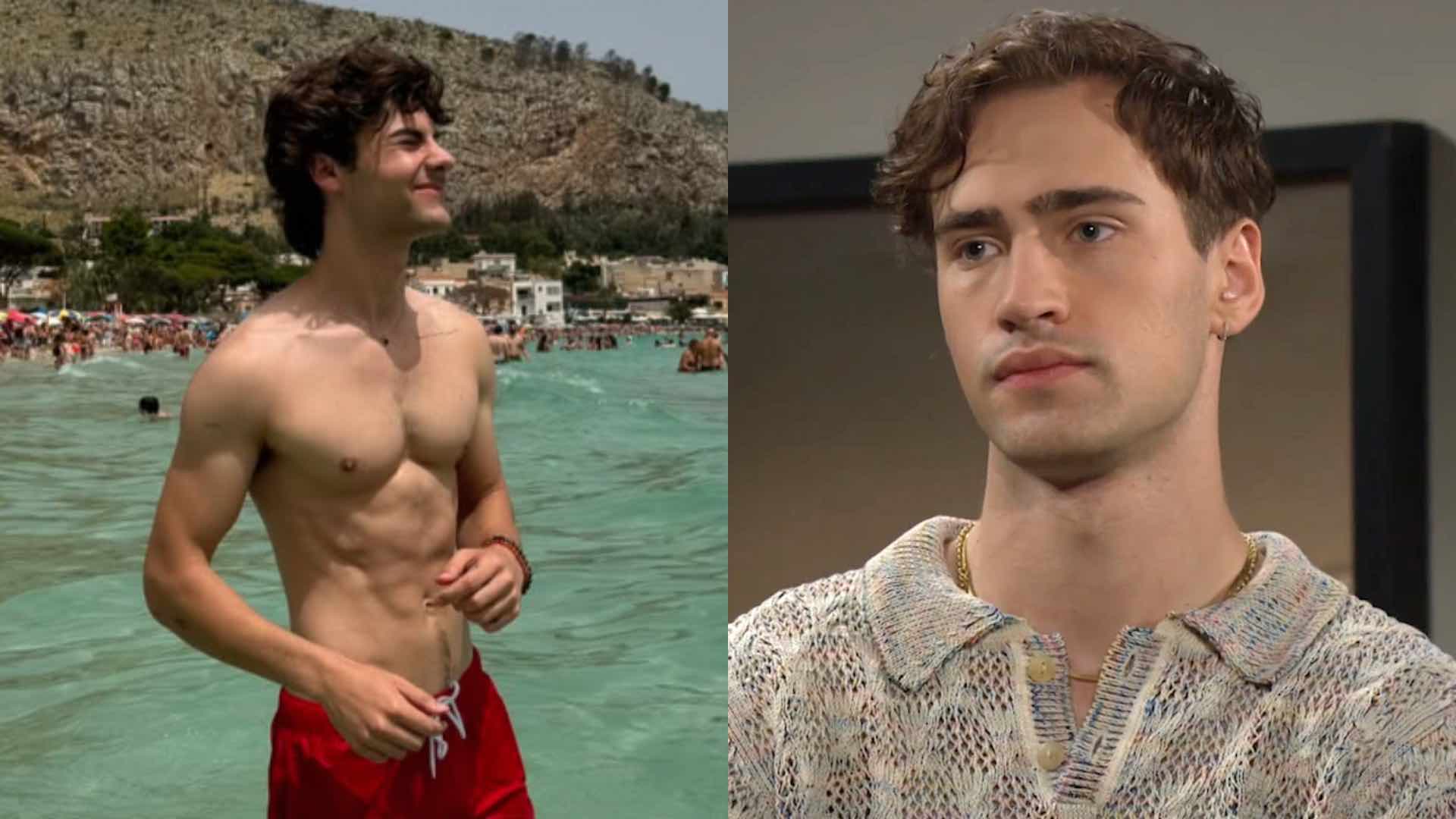
For months, The Bold and the Beautiful viewers have watched Harrison Conn’s Dee Sharp emerge as one of the show’s most naturally charismatic additions in years. Charming, emotionally expressive, and instantly believable with nearly every actor he shares scenes with, Dee arrived on the CBS soap carrying the potential to become a breakout next-generation character.
Instead, many fans now believe the character has become something else entirely: a narrative afterthought.
As frustration continues to build across social media and fan forums, a growing debate has erupted around one uncomfortable question — is Dee Sharp being underserved because of weak writing, or is there a larger issue behind the scenes at CBS?
The conversation has become impossible for longtime viewers to ignore.
Dee Sharp’s Storyline Problem Is Becoming Increasingly Obvious
When Dee Sharp first entered the world of The Bold and the Beautiful, there was immediate excitement surrounding the character’s possibilities.
He arrived with energy, humor, and emotional intelligence. More importantly, he represented a significant milestone for the daytime drama: Dee became the first openly gay male character in the show’s long-running history.
But six months later, fans are asking a difficult question.
Who exactly is Dee Sharp outside of everyone else’s drama?
That concern has only intensified as viewers look back at how the character has been used since his debut.
A Character Defined By Everyone Else’s Story
From the beginning, Dee has often functioned less like a fully developed character and more like a catalyst for other people’s conflicts.
His early scenes primarily revolved around disrupting the friendship between Luna and Remy. Once that tension ended, the storyline quietly disappeared without meaningful emotional fallout for Dee himself.
Soon after, Dee entered Forrester Creations and appeared poised to begin a promising arc in the fashion world. He connected with Electra, spoke passionately about design, and seemed positioned for a larger professional journey.
But that momentum abruptly vanished.
Instead of exploring his ambitions, the show shifted focus entirely back toward Electra and Remy’s increasingly chaotic storyline. Dee’s own dreams of fashion success were suddenly reduced to background dialogue.
Even his firing from Forrester Creations seemed designed less to impact Dee personally and more to create additional tension between Hope Logan and Steffy Forrester.
That pattern has become increasingly noticeable to fans.
Dee Exists In Conversations More Than In Actual Stories
One of the biggest criticisms surrounding the character is that Dee frequently exists as a reference point rather than an active participant.
Other characters constantly discuss him. They make decisions because of him. They defend him, gossip about him, or argue over him.
Yet when Dee actually appears onscreen, he is rarely given emotional agency of his own.
Instead, he often serves as a sounding board for Hope, a bridge between larger plotlines, or a symbolic reminder of another conflict happening elsewhere.
For many viewers, the issue is not screen time. Dee appears regularly enough.
The problem is purpose.
Fans increasingly feel they still do not truly know him.
The Debate Over Representation Intensifies
The criticism becomes even more complicated when considering what Dee represents historically for the series.
As The Bold and the Beautiful’s first openly gay male character, many viewers expected the show to invest deeply in his emotional life, romantic journey, and long-term character development.
Instead, some fans believe the series has hesitated to fully commit.
That concern intensified further with the introduction of Remy Price, the show’s second openly gay male character.
Remy’s earliest major storyline involved stalking, manipulation, deepfake imagery, and criminal behavior — choices that immediately sparked controversy among sections of the fanbase.
Although the series has since attempted to soften and redeem Remy through a reformation arc, many viewers remain uncomfortable with how his sexuality was initially introduced alongside predatory behavior.
The optics, critics argue, were difficult to ignore.
Fans Begin Questioning CBS Itself
As frustration grows, conversations online have expanded beyond the writing room and toward the network itself.
One widely discussed fan comment suggested that CBS may simply be unwilling to invest heavily in a prominent same-sex romance storyline on daytime television.
The fan argued that the network appears far less progressive than it once was, particularly compared to the era when The Bold and the Beautiful tackled Maya Avant’s groundbreaking transgender storyline years earlier.
That storyline, centered around Maya and Rick, earned praise for pushing daytime television into more socially progressive territory at the time.
But some viewers now believe the show has become increasingly cautious.
Whether that perception is fair or not, it reflects a growing anxiety among longtime fans who feel representation on the series has stalled rather than evolved.
Could Dee And RJ Become The Storyline Fans Want?
One idea repeatedly gaining traction online involves a possible storyline between Dee Sharp and RJ Forrester.
Some fans believe the chemistry and emotional complexity between the two characters could create one of the show’s boldest and most compelling arcs in years.
The appeal lies partly in RJ himself.
RJ has long been portrayed as the golden son within the Forrester family — confident, attractive, and deeply tied to the company’s legacy. Exploring unexpected feelings or emotional confusion within that carefully constructed identity could provide the kind of layered storytelling many viewers feel the show currently lacks.
Soap operas thrive on emotional conflict, identity crises, and forbidden attraction. Fans argue that an RJ-Dee storyline could naturally deliver all three while also finally giving Dee a fully realized emotional journey.
So far, however, the series has only lightly teased similar possibilities.
Some viewers point to brief moments involving Remy that hinted at deeper emotional territory before quickly abandoning it.
Representation Without Investment?
At the center of the debate is a broader concern about representation itself.
Modern audiences no longer view inclusion as simply introducing diverse characters onto the canvas. Viewers increasingly expect those characters to receive the same emotional depth, romantic complexity, and narrative importance as everyone else.
And that is where some believe The Bold and the Beautiful is falling short.
Dee Sharp is visible, but many fans do not believe he is truly prioritized.
His relationships remain underdeveloped. His ambitions disappear without resolution. His emotional life often feels secondary to the straight characters surrounding him.
In a genre built entirely around romance, longing, betrayal, and passion, that absence becomes increasingly noticeable.
The Soap World Has Changed — And Audiences Have Too
Daytime television once thrived by pushing emotional and cultural boundaries. Soap operas often led conversations about identity, relationships, and social change long before primetime television followed.
That history is precisely why some viewers feel disappointed now.
They believe The Bold and the Beautiful has the opportunity to create groundbreaking material with Dee Sharp but continues stopping short of fully committing to the character’s potential.
And in today’s television landscape, audiences notice hesitation quickly.
Representation without meaningful storytelling no longer feels enough for many fans.

What Happens Next For Dee Sharp?
Despite the criticism, viewers remain deeply invested in Dee’s future — which may be the clearest sign that the character still has enormous potential.
Harrison Conn’s performance continues earning praise across fan communities, with many viewers insisting the actor has chemistry strong enough to anchor a major emotional storyline.
The question is whether the writers — and perhaps the network itself — are willing to finally give Dee something more substantial than reaction scenes and supporting dialogue.
Because right now, the conversation surrounding Dee Sharp is no longer just about one character.
It has become part of a much larger debate about visibility, representation, and whether The Bold and the Beautiful is truly prepared to evolve with its audience.
And judging by fan reaction, viewers are no longer willing to stay quiet about it.