
Lucy’s support man, Lucy becomes the owner of Deception General Hospital Spoilers
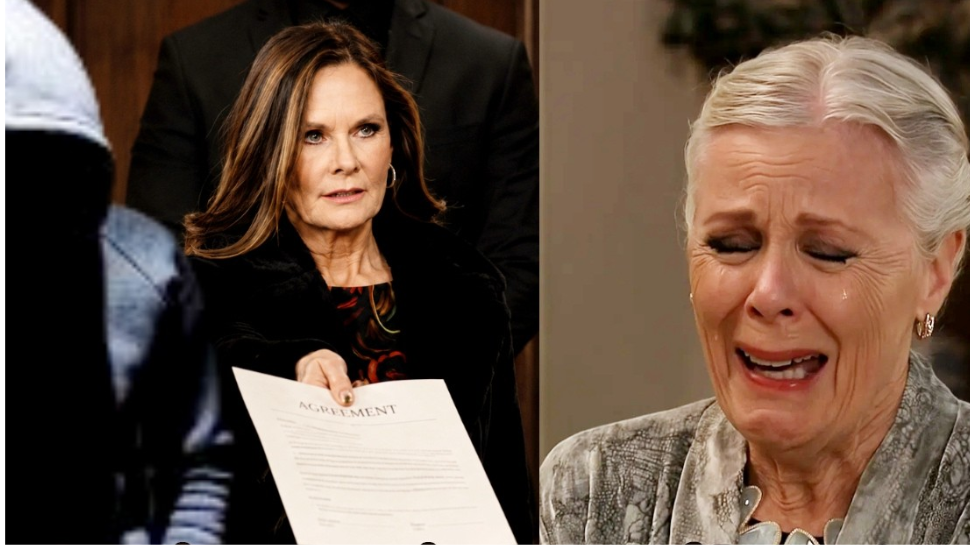
Port Charles is ablaze with tension as General Hospital delivers another masterclass in corporate intrigue and family drama. Lucy Coe’s (Lynn Herring) shocking acquisition of Deception as the largest shareholder has not only reshaped the city’s business landscape but also sent tremors through the Quartermaine family, particularly Tracy Quartermaine (Jane Elliot), whose fury at this unexpected takeover is palpable. The very walls of the Deception mansion seem to echo with outrage as Tracy struggles to process the implications of Lucy’s unprecedented move.
The scene is a study in power and ambition. Lucy, long admired for her charm and savvy, steps into the boardroom with a poise that commands attention. Her calculated assertiveness is a far cry from the slightly scatter-brained persona many viewers remember. Every gesture, every directive, signals that she is here to dominate, not merely participate. As she begins reshaping the company, putting staffers like Maxi and Sasha on notice, it becomes clear that Lucy is determined to establish unchallenged control. Her transformation from affable businesswoman to a force of strategic ruthlessness is both thrilling and slightly unsettling. Years of personal and professional highs and lows have hardened her, sharpening her instincts and her appetite for power.
Tracy’s reaction underscores the stakes. A seasoned strategist and one of the most formidable matriarchs in daytime television history, she recognizes the threat to her family legacy. Her attempts to challenge Lucy legally promise to ignite an internal war within Deception that is as much about pride and history as it is about corporate control. For Tracy, the battle is personal—the Quartermaine name and its legacy are on the line. For Lucy, however, this acquisition represents more than business dominance; it appears to be a culmination of ambition and perhaps an unspoken desire for revenge or recognition, layers that the show carefully teases for dramatic effect.
Brooklyn Quartermaine (Amanda Setton) finds herself at the nexus of this unfolding chaos. Her decision to ally with Lucy initially seemed motivated by desperation and a desire to protect her own standing within the family and the corporate structure. Yet the reality hits swiftly: in inviting Lucy into Deception, Brooklyn may have inadvertently unleashed a storm she cannot control. Lucy’s intentions, while cloaked in collaboration, are unmistakably self-serving. As the realization dawns on Brooklyn, the weight of her choices manifests in palpable fear and regret. She is caught between her loyalty to her family and the unanticipated consequences of her decision—a predicament that is quintessential General Hospital, blending personal stakes with high drama.
Amid this corporate upheaval, hints of a new ally feeding Lucy’s ambitions add another layer of intrigue. This mysterious figure, whose identity remains obscured, suggests that Lucy’s rise may not be a solo endeavor but part of a broader, calculated strategy. Their influence could amplify her reach, escalating the confrontation with Tracy and reshaping the power dynamics at Deception. The suspense surrounding this alliance keeps viewers on the edge of their seats, reflecting the show’s signature blend of personal intrigue and professional rivalry.

The beauty of this storyline lies in its nuanced character dynamics. Lucy’s ambition contrasts sharply with Tracy’s protective instincts, creating a tension that is both unpredictable and deeply rooted in character history. The writers skillfully explore the collision of personal desire and professional responsibility, illustrating that control over a company like Deception is never purely about money or status—it is about legacy, respect, and influence within Port Charles society. These tensions reverberate across the broader canvas, touching family members, staff, and associates who are inevitably drawn into the conflict.
Brooklyn’s complicity in framing Willow for Jordan Ashford’s (Vinessa Antoine) accident adds a dangerous moral dimension. Her decision entwines the younger generation in a web of deceit, highlighting the recurring General Hospital theme that the sins of the present often echo the mistakes of the past. Lucy’s guidance—or manipulation—in this scheme reflects her mastery in leveraging ambition to achieve her ends, while Brooklyn must navigate the moral consequences of her choices. This narrative thread reinforces the stakes: one wrong move could unravel alliances, destroy trust, and ignite long-standing rivalries.
What makes this arc particularly compelling is how it interweaves corporate maneuvering with personal vendettas. The animosity between Lucy and Tracy is not limited to boardroom confrontations; it permeates family interactions, social gatherings, and even the private spaces of the mansion. Each dialogue carries the weight of past betrayals, ambitions, and grudges, creating a layered narrative where professional decisions are inseparable from personal history. The show’s ability to blend these elements ensures that every plot development resonates emotionally, not just strategically.
Lucy’s aggressive takeover also underscores the show’s exploration of power and agency, especially for female characters. Both Lucy and Tracy embody different aspects of influence: Tracy represents legacy, experience, and tactical brilliance honed over decades, while Lucy represents audacity, opportunism, and the willingness to take risks others would avoid. Their clash is as much ideological as it is practical, reflecting deeper themes about control, trust, and the intersection of ambition and morality. Viewers are left to ponder not only who will prevail, but what it will cost to achieve victory in a world where loyalty is fluid and consequences are inescapable.
Meanwhile, the wider implications for Port Charles continue to unfold. The power shifts within Deception affect relationships, alliances, and rivalries across the city. Staff members, family members, and even external allies are forced to navigate a new hierarchy, recalibrating their strategies and reassessing loyalties. The ripple effect of Lucy’s actions reinforces General Hospital’s signature storytelling technique: every decision carries ramifications that extend far beyond the immediate players, creating a dynamic and interconnected narrative ecosystem.

As viewers anticipate the coming episodes, several questions dominate the discussion: Will Lucy solidify her control over Deception, or will Tracy’s relentless drive to protect her legacy prevail? How will Brooklyn reconcile her decisions and their unintended consequences? Who is Lucy’s enigmatic ally, and what agenda do they bring to the table? These uncertainties fuel speculation and excitement, keeping audiences engaged in a story that is equal parts corporate thriller, family drama, and personal odyssey.
Ultimately, Lucy Coe’s rise within Deception is a turning point for General Hospital. It demonstrates the show’s continued ability to craft multi-dimensional characters and complex storylines that honor decades of history while introducing fresh, unpredictable developments. The power struggle between Lucy and Tracy offers viewers a compelling mix of strategy, emotion, and suspense, reminding fans why Port Charles remains a city where fortunes, relationships, and reputations are perpetually on the line.
With ambition, loyalty, and legacy all colliding, the Deception takeover arc promises to be one of the most riveting chapters in recent memory. Every decision Lucy makes, every counter-move from Tracy, and every moral compromise from Brooklyn contributes to a narrative web that exemplifies why General Hospital remains a masterclass in daytime television storytelling. The heat is on, the stakes are monumental, and viewers are left anticipating the inevitable fallout with bated breath.