
Marshall Reluctantly Becomes The Midwife, & Portia Blames Him For The Baby’s Loss. GH Spoilers
The Tension Reaches a Boiling Point
Port Charles is bracing for one of the most emotionally charged storylines of the summer. In a shocking sequence of events, the long-simmering tension between Portia and Curtis Ashford explodes in a public and tragic way. What started as a conflict over Curtis’ handling of Isaiah’s crisis has escalated into a full-blown clash of values, principles, and raw emotion.
Portia, a highly trained medical professional, has grown increasingly frustrated with Curtis’ impulsive and reckless decision-making. From her perspective, his actions have not only endangered lives but also invited severe legal repercussions. Curtis, on the other hand, defends his choices with characteristic stubbornness, insisting that his interventions were necessary to protect those he loves. The result: a marriage pushed to the brink, fueled by years of miscommunication, secrets, and resentment.
A Public Confrontation Turns Catastrophic
The emotional powder keg ignites on a pedestrian bridge, where Curtis and Portia’s argument reaches its peak. Unlike the private spaces where couples normally resolve conflict, this public setting amplifies the intensity, turning words into weapons and stress into a dangerous physical reality.
Suddenly, the unthinkable occurs. The stress-induced confrontation triggers premature labor for Portia, leaving her writhing in pain and Curtis paralyzed by panic. With the ambulance delayed in city traffic, the couple faces a life-or-death emergency completely on their own.
Marshall Thrust Into Heroism
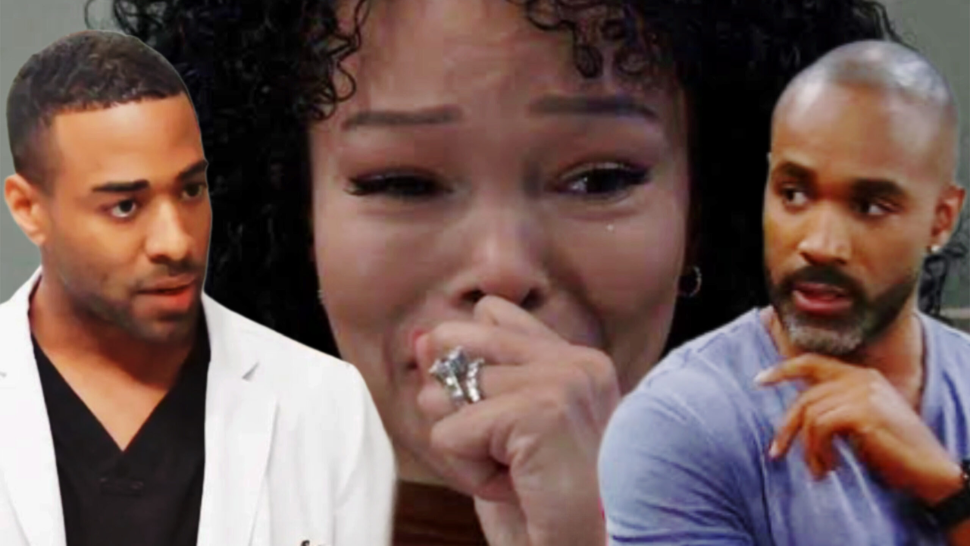
Into this chaos steps Marshall Ashford, Curtis’ father, an emotionally complex figure already navigating his own fractured relationships. With no medical training and only a 911 dispatcher to guide him, Marshall is forced to deliver his own grandchild on the cold concrete of the pedestrian bridge. The scene is a terrifying, harrowing ordeal, depicting a man attempting the impossible to save his family.
Despite his best efforts, the emergency takes a tragic turn. The newborn suffers severe oxygen deprivation, leading to a critical medical crisis. The arrival of paramedics brings urgent action, but the damage may already be done. The baby’s survival is uncertain, and even in the best-case scenario, long-term neurological complications could loom.
Portia’s Grief and Blame
When the devastating news reaches Portia in the sterile confines of her hospital room, her reaction is explosive. Her grief transforms into a ferocious anger aimed at the two men who were supposed to protect her—the father and husband she trusted. Portia holds Curtis accountable for pushing her to the emotional breaking point, viewing his stubborn pride as the catalyst for this tragedy.
Marshall, despite acting heroically under unimaginable pressure, is also subjected to her grief. Portia’s perspective, shaped by medical knowledge and trauma, casts her father-in-law’s efforts as insufficient, and she channels her rage and sorrow directly toward him. The accusations are raw, relentless, and emotionally devastating, highlighting the complex moral and psychological fallout of a tragic, high-stakes event.
The Domino Effect of Tragedy
This harrowing incident sets off a cascade of consequences. Portia’s grief may lead her to pursue formal punitive action against Curtis, raising the possibility of civil or even criminal scrutiny. Legal experts could argue that Curtis’ aggressive behavior during the argument contributed to reckless endangerment or emotional distress resulting in the baby’s critical condition. Marshall, too, faces potential investigation, with authorities questioning whether his untrained intervention could be considered medical negligence.
Even the hospital’s administration becomes implicated. With their high-profile doctor threatening legal action, they may align with Portia, scrutinizing Curtis and Marshall to shield the institution from liability. The ripple effect of this tragedy threatens to destabilize the Ashford family completely, eroding bonds, trust, and emotional stability.
A Marriage and Family on the Brink
The Ashford family faces a critical juncture. Curtis’ attempts to console Portia may be futile as she recoils from his presence, believing him responsible for their child’s suffering. Marshall confronts the unbearable weight of his perceived failure, potentially spiraling into depression and self-blame. The family structure risks collapsing under the dual pressures of grief and legal scrutiny, threatening to create a toxic environment from which recovery may be slow, if not impossible.
Even if medical evaluations later confirm that the baby’s condition was due to unforeseeable complications rather than human error, the emotional damage has already taken root. Words spoken in grief cannot be undone, and the cycle of blame has permanently altered the family dynamic.
The Stakes for Future Episodes
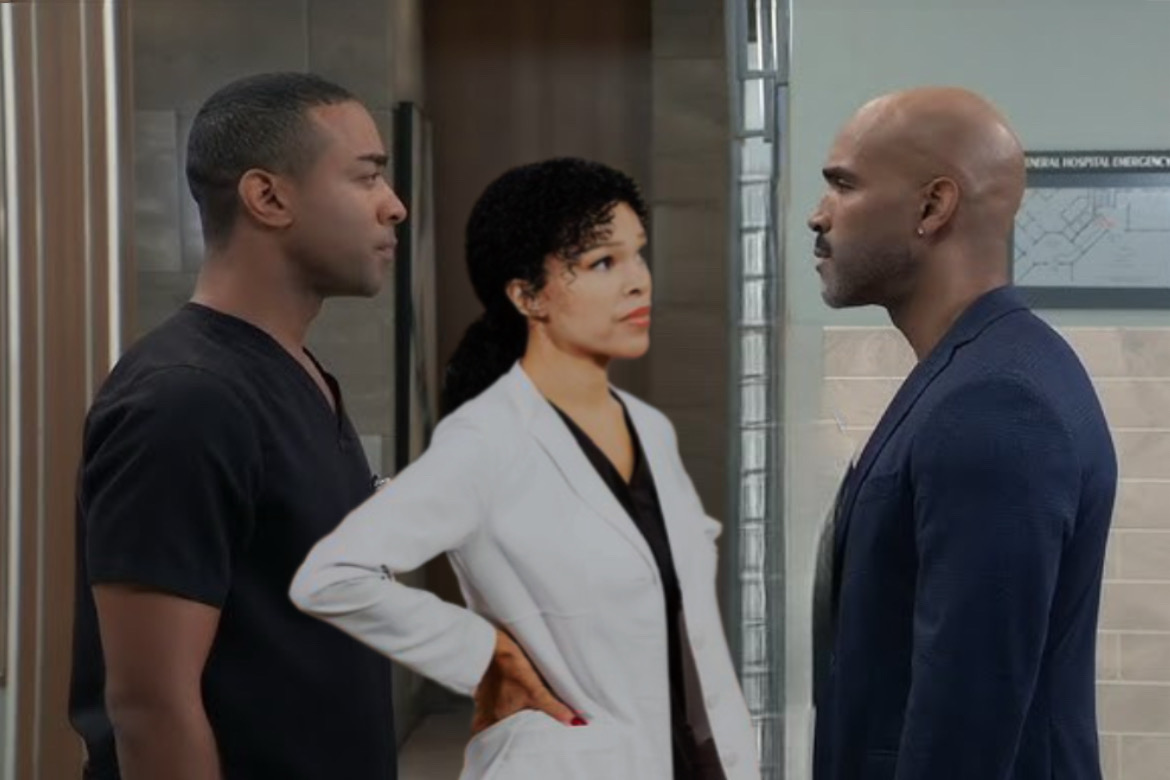
As Port Charles continues to reel from this tragic event, audiences are left to grapple with lingering questions: Will Curtis and Portia find a path back to each other, or has the tragedy fractured their bond irreparably? How will Marshall recover from the trauma of delivering his own grandchild under life-or-death circumstances? And what legal consequences, if any, will emerge from this unprecedented event?
This storyline exemplifies the high-stakes, character-driven drama that has kept General Hospital at the forefront of daytime television for decades. The combination of personal conflict, medical emergency, and moral ambiguity ensures that viewers are emotionally invested in every unfolding scene.
A Tragic Turning Point
The events surrounding Portia’s premature labor and the baby’s critical condition mark a devastating turning point for the Ashford family. General Hospital once again demonstrates its mastery in blending suspense, emotional depth, and complex family dynamics. The consequences of this tragedy will reverberate across Port Charles, impacting relationships, legal proceedings, and the emotional landscape of multiple characters.
As viewers, we are left on the edge of our seats, waiting to see whether the family can weather the storm, or if this event will forever change the trajectory of their lives. The coming episodes promise heart-wrenching drama, moral dilemmas, and the unflinching exploration of grief, blame, and resilience in the face of unimaginable loss.