
Jack vs. Brady: Who Is the Real “Green Flag” in the Hearts of Female Fans?
The Debate That’s Dividing the Fandom
Few shows ignite romantic debates quite like Virgin River. And while the central love story between Melinda Monroe and Jack Sheridan remains the emotional anchor, another rivalry continues to dominate fan conversations: Jack vs. Dan Brady.
On paper, the answer seems obvious. Jack is the dependable one—the man who shows up, stays loyal, and builds a future. Brady, on the other hand, is unpredictable, often walking the line between redemption and self-destruction.
But if fan discussions have proven anything, it’s that love isn’t always about what’s logical. It’s about what feels real.
What Does “Green Flag” Really Mean in Modern Romance?
Before choosing sides, it’s worth unpacking the term itself.
A “green flag” partner is someone who offers emotional safety, consistency, and respect. They communicate openly, support their partner through challenges, and demonstrate reliability over time.
In other words, they’re not just exciting—they’re sustainable.
And that’s where the contrast between Jack and Brady becomes fascinating.
Jack Sheridan: The Gold Standard of Stability
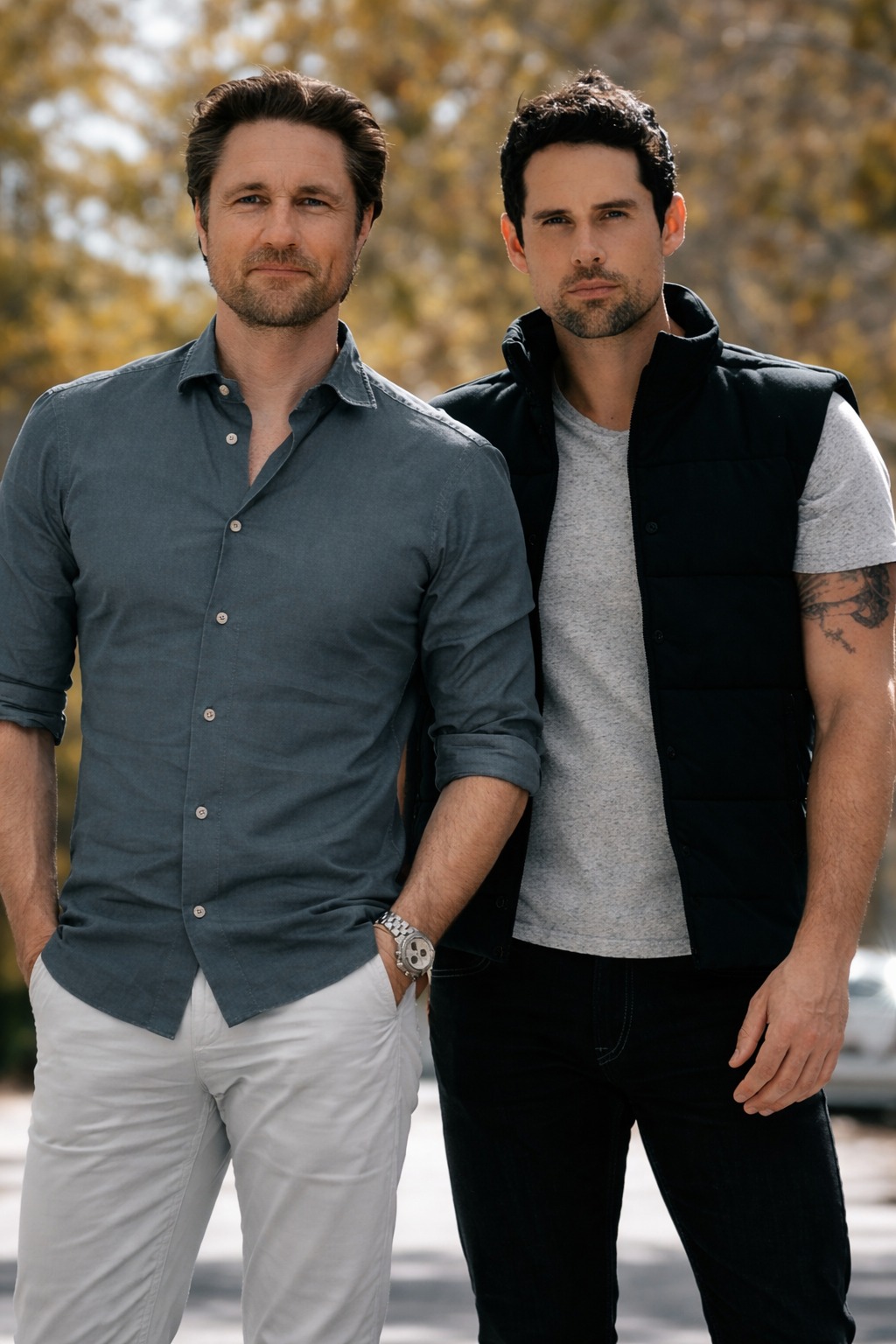
Played by Martin Henderson, Jack has long been positioned as the ideal partner.
He’s the man who stays.
Throughout the series, Jack consistently proves his loyalty—not just to Mel, but to his entire community. Whether it’s stepping up during crises or offering emotional support when it matters most, he embodies dependability in a way few characters can match.
But what truly elevates Jack isn’t perfection—it’s growth.
He’s battled trauma, confronted his past, and learned how to open up emotionally. His journey isn’t about being flawless; it’s about becoming better. And for many fans, that evolution cements his status as a true “green flag.”
In a world full of uncertainty, Jack represents something rare: emotional safety.
Dan Brady: The Allure of Complexity
Then there’s Brady, portrayed by Benjamin Hollingsworth—a character who defies easy categorization.
Brady isn’t the obvious choice. In fact, he’s often the risky one.
With a troubled past and a tendency to make questionable decisions, he doesn’t fit the traditional mold of a “green flag.” But that’s precisely what makes him compelling.
He feels real.
Brady’s flaws aren’t superficial—they’re deeply ingrained. He struggles with trust, loyalty, and identity. Yet beneath that chaos lies something undeniable: emotional depth.
He cares. Intensely.
Even when his actions don’t align with his intentions, there’s a sense that he’s trying—failing, learning, and trying again. For some viewers, that raw, imperfect humanity is far more relatable than polished stability.
Why Fans Are So Divided
The Jack vs. Brady debate isn’t just about characters—it’s about values.
Fans who lean toward Jack often prioritize emotional security. They value consistency, clear communication, and the assurance that their partner will be there when it counts.
To them, Jack isn’t just the better choice—he’s the only choice.
But Brady supporters see things differently.
They’re drawn to intensity, to the idea that love isn’t always neat or predictable. They appreciate the messiness, the growth, the possibility of transformation. Brady represents a kind of love that feels earned rather than given.
And that distinction is crucial.
Safe Love vs. Risky Love
At its core, this debate reflects two fundamentally different visions of romance.
Jack represents safe love—the kind that builds slowly, steadily, and with intention. It’s reliable, comforting, and designed to last.
Brady represents risky love—passionate, unpredictable, and often volatile. It’s the kind of connection that can either break you or change you.
Neither is inherently better.
But they offer very different emotional experiences.
Is Brady Really a “Green Flag” in Disguise?
Here’s where things get complicated.
Objectively, Jack fits the definition of a “green flag” more clearly. His actions align with the qualities associated with healthy relationships.
But Brady introduces a different question:
Can someone become a green flag?
His journey suggests that people aren’t fixed—they evolve. And while Brady may not currently embody emotional stability, his arc hints at the possibility of growth.
For some fans, that potential is just as powerful as Jack’s consistency.
The Role of Chemistry and Emotional Impact
Another factor driving this debate is chemistry.
Jack and Mel’s relationship is built on trust and shared experience. It’s warm, grounded, and deeply emotional.
Brady’s connections, however, often carry a different energy—more tension, more unpredictability, more edge.
That intensity can be addictive.
And in storytelling, emotional impact often outweighs logic. Fans don’t just choose partners based on what’s “healthy”—they choose based on what makes them feel something.
What This Debate Says About Modern Viewers
Interestingly, the Jack vs. Brady conversation mirrors broader shifts in how audiences view relationships.
There’s a growing awareness of emotional health and boundaries—qualities that Jack embodies. At the same time, there’s still a fascination with complexity and redemption arcs, which Brady represents.
In a way, fans are torn between what they know is good for them and what excites them.
And that tension is what keeps the debate alive.
So, Who Is the Real “Green Flag”?
If we’re being strictly objective, Jack wins.
He offers stability, communication, and emotional safety—the core pillars of a healthy relationship.
But storytelling isn’t purely objective.
Brady represents something equally compelling: the idea that people can change, that love isn’t always perfect, and that growth often comes through struggle.
Conclusion: The Answer Lies with the Viewer
Ultimately, the question of Jack vs. Brady doesn’t have a definitive answer.
For some, a “green flag” is about safety, reliability, and long-term trust—qualities Jack embodies effortlessly.
For others, it’s about depth, evolution, and emotional intensity—something Brady brings to the table in abundance.
In the end, the real “green flag” isn’t just about the character.
It’s about what kind of love you believe in.