
BBC Casualty: Behind the Scenes Reveal — What Paramedics Really Need (That You Never See on Screen)
While Casualty is known for its gripping emergency room drama and high-intensity ambulance callouts, there’s a quieter reality behind the scenes that viewers rarely — if ever — get to see. As the show continues to portray the fast-paced world of paramedics and frontline healthcare, cast members and production insiders have highlighted one surprising truth: there are essential support systems and small necessities that keep paramedics going, but never make it into the final edit.
The Hidden Reality Behind the Drama
On screen, Casualty paramedics are often seen racing through Holby, responding to emergencies with precision, urgency, and professionalism. But what audiences don’t see is the constant logistical and emotional support required to make those scenes believable and safe to film.
Between takes, actors playing paramedics rely heavily on practical support that never appears in the storyline itself — from hydration breaks to recovery time after physically demanding scenes.
These moments are essential in maintaining realism without exposing the exhaustion that would naturally come with such high-pressure work.
Rest, Recovery, and “Reset Moments”
One of the biggest unseen elements is time. While the show compresses hours of emergency response into minutes of screen time, filming those sequences can take significantly longer.
Paramedic actors often need structured breaks to reset emotionally and physically, especially after intense scenes involving trauma, casualties, or CPR sequences.
These “reset moments” are crucial for maintaining performance consistency — but they are completely invisible to viewers watching the final cut.
Technical Support You Never Notice
Another essential but unseen element is the technical crew working alongside the cast. Ambulance scenes require coordination between directors, medical advisors, and stunt teams to ensure accuracy and safety.
Paramedics on Casualty are supported by real medical consultants who guide procedures, correct terminology, and ensure that even the smallest actions reflect real-life emergency medicine.
Without this behind-the-scenes input, the realism that fans expect simply wouldn’t be possible.
Emotional Decompression After Heavy Scenes
One of the most overlooked aspects of portraying paramedics is emotional recovery. Scenes involving patient loss, critical injuries, or intense trauma can have a real psychological impact on actors, even though the events are fictional.
To manage this, cast members often take time to decompress after particularly heavy sequences. This might include stepping away from set, talking through scenes with directors, or simply taking a moment of quiet before continuing filming.
It’s a necessary part of maintaining long-term performance in such emotionally demanding roles.
The Pressure of “Realism” in Every Take
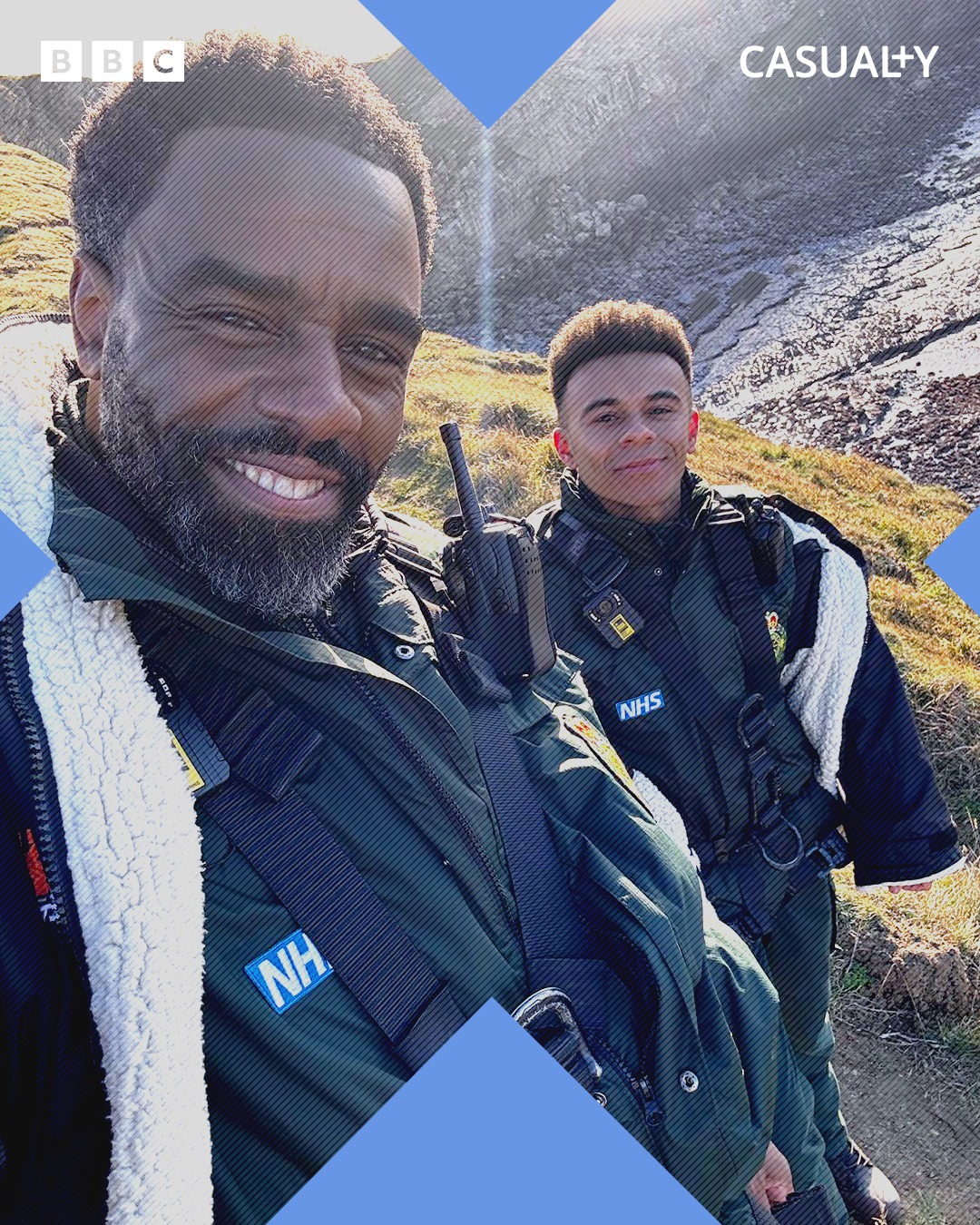
Because Casualty aims to reflect real emergency medicine, paramedic scenes are often filmed with a strong focus on authenticity. This means repeated takes, detailed choreography, and careful attention to medical accuracy.
While this enhances realism on screen, it also means that actors must maintain high levels of focus and consistency over long shooting days — something viewers never see behind the final edited scenes.
Why This Matters for the Show
These unseen elements are part of what makes Casualty stand out as a long-running medical drama. The balance between realism and production demands ensures that what audiences see feels authentic, even if the process behind it is far more complex.
Paramedics on screen may appear to operate seamlessly, but behind every emergency call is a carefully coordinated effort involving time, support, and expert guidance.
Conclusion: More Than What Meets the Eye
While viewers see fast-paced rescues and dramatic hospital arrivals, the reality behind Casualty is far more layered. The unseen needs of paramedics — from recovery time to emotional decompression and technical support — are essential to bringing the show’s stories to life.
And perhaps that’s the most interesting truth of all: what looks effortless on screen is actually built on countless unseen moments that never make it into Holby City ED.