
BBC Casualty: Teddy Gowan Returns to Work After Attack — But Something Isn’t Right
In the latest Casualty developments from the ongoing Lethal Legacy storyline, Teddy Gowan makes a tentative return to the paramedic service following the brutal attack that left him unconscious in the control room — but his comeback is far from straightforward.
While colleagues expect a simple recovery arc, what unfolds instead is a more unsettling picture of physical vulnerability and emotional aftershock that could affect the entire ambulance team.
A Return Marked by Uncertainty
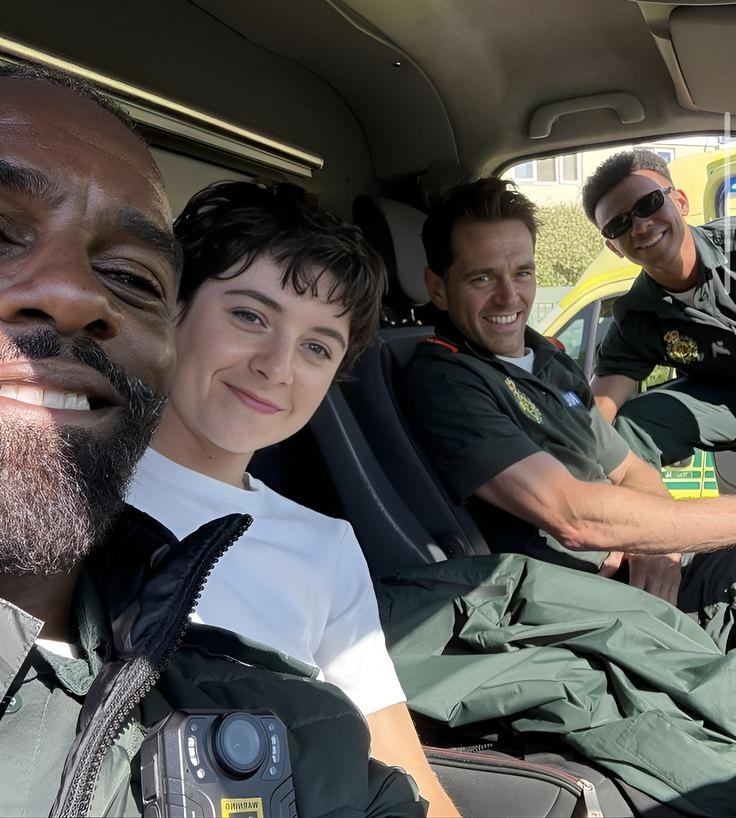
Teddy’s return comes after a period of medical assessment and recovery following the violent incident involving grieving father Joel.
Although he is officially cleared to resume duties, it quickly becomes clear that his experience has left deeper impacts than initially assumed.
His confidence is shaken, his focus is inconsistent, and there are moments where he appears visibly unsettled when faced with routine operational tasks.
The Psychological Aftermath of Violence
While the physical injuries are no longer the main concern, the psychological impact of the attack lingers.
Being attacked in a space associated with coordination and control has fundamentally altered Teddy’s perception of safety within his working environment.
This creates a subtle but important shift in how he responds to pressure — particularly in fast-moving emergency situations.
He is still capable, but no longer unaffected.
A Team Trying to Readjust
The paramedic team is forced to adjust quickly to Teddy’s return. With Iain still balancing paternity leave responsibilities and operational demands, leadership structures remain fluid.
Colleagues are supportive, but there is an underlying tension as they attempt to gauge how much Teddy can realistically take on.
No one wants to push him too hard — but the demands of the job leave little room for hesitation.
Iain Observes the Change

Iain Dean, still transitioning back into full duty, is among the first to notice that Teddy is not entirely himself.
Their professional relationship adds weight to these observations, as Iain understands both the demands of leadership and the importance of team stability during crisis recovery.
This places him in a difficult position: support Teddy’s return, while also ensuring patient safety is not compromised.
Pressure Builds in a Strained System
All of this unfolds within an ambulance service already under strain from the wider Lethal Legacy crisis.
Staff shortages, high call volumes, and emotional fallout from recent incidents mean there is little capacity for gradual reintegration.
Teddy’s return therefore happens in real time, under real pressure — leaving no space for a slow adjustment period.
Small Signs, Bigger Concerns
Although Teddy does not openly express distress, small details begin to suggest deeper issues.
Brief pauses during decision-making, subtle hesitation when responding to emergencies, and a more cautious approach to risk all point toward lingering trauma.
These signs raise quiet concern among colleagues, even if nothing is openly said.
Conclusion: Recovery Is Not Always Linear
Teddy Gowan’s return in Casualty highlights an important truth about trauma and frontline work — that recovery is rarely simple, and returning to duty does not always mean returning to normal.
As the paramedic team continues to operate under pressure, Teddy’s journey becomes a reminder that even the strongest professionals can be changed by a single moment.
And as Lethal Legacy continues, one question emerges: can Teddy fully regain his place in the team — or has the attack changed him in ways that cannot be reversed?