

How to Travel Better: A Beginner’s Guide to Sustainable Travel
Sustainable travel is no longer a niche concept—it’s becoming essential in a world facing climate change and environmental decline. For beginners, the idea may feel overwhelming, but in reality, it starts with simple, conscious choices.
This guide will help you understand what sustainable travel means, why it matters, and how you can begin making a positive impact on every trip you take.
What Is Sustainable Travel?
Sustainable travel is about exploring the world in a way that protects the environment, respects local communities, and creates long-term benefits for the places you visit.
It’s a balance between enjoying travel experiences and minimizing harm. The goal is not perfection, but progress—making better decisions step by step.
Why Sustainable Travel Matters
The planet is facing urgent environmental challenges. Carbon dioxide levels in the atmosphere are at their highest in hundreds of thousands of years, contributing to rising global temperatures. Even a small increase of 1.5°C can have serious consequences for ecosystems and human life.

At the same time, biodiversity is under threat, with millions of plant and animal species at risk of extinction. These changes are not just happening in remote areas—they are affecting everyday environments, from forests to oceans.
Travel plays a role in these issues, but it can also be part of the solution.
Getting Started with Sustainable Travel
Becoming a sustainable traveler is about adopting a mindset. It influences everything from how you pack to how you move around and what you choose to support during your trip.
Pack Less and Smarter
Traveling light is one of the easiest ways to reduce your environmental impact. It lowers fuel consumption, makes transportation easier, and reduces waste.
A helpful approach is to follow the “three Rs”
Reduce what you bring by choosing versatile items
Reuse products like water bottles and containers
Recycle whenever possible during your trip
Avoid single-use plastics and opt for reusable alternatives such as refillable bottles, shopping bags, and food containers.
Focus on Transportation Choices
Transportation is often the largest contributor to a trip’s carbon footprint, sometimes accounting for up to 70% of total emissions.
Choosing more sustainable ways to travel can make a significant difference. Walking, cycling, or using public transportation are among the best options. Trains and buses generally produce far fewer emissions than airplanes.
If flying is necessary, consider doing it less frequently but staying longer at your destination. This approach reduces overall impact while allowing for a deeper travel experience.
Make Smarter Decisions When Flying
Air travel currently has a high environmental cost, and while greener technologies are being developed, widespread change will take time.
When you do need to fly, look for options with lower emissions using flight comparison tools. Choosing direct flights, flying economy, and being selective about how often you fly can help reduce your impact.
Think of flying as an occasional choice rather than the default.
Choose Eco-Friendly Accommodation
Where you stay also affects your environmental footprint. Many hotels now focus on sustainability by reducing energy use, limiting waste, and conserving water.
Look for accommodations with eco-certifications or clear sustainability policies. Even small actions, like reusing towels and minimizing energy use in your room, can make a difference.
Eat Local and Seasonal Food
Food choices play an important role in sustainable travel. Locally sourced, seasonal meals reduce the environmental impact of transportation and support local farmers and businesses.
Eating local food also enhances your travel experience, offering authentic flavors and a deeper connection to the destination.
Pick Sustainable Destinations
Some destinations are leading the way in sustainable tourism by investing in green infrastructure, public transport, and environmental protection.
Cities across Europe, for example, are adopting eco-friendly policies that improve both quality of life and travel experiences. Natural destinations like Costa Rica have successfully combined tourism with conservation, protecting biodiversity while supporting local communities.
Travel Slower and More Mindfully
Sustainable travel is not about seeing as many places as possible—it’s about experiencing destinations more deeply.
Spending more time in one place reduces transportation emissions and allows you to connect with local culture, people, and nature in a meaningful way.
Slower travel often leads to richer and more memorable experiences.
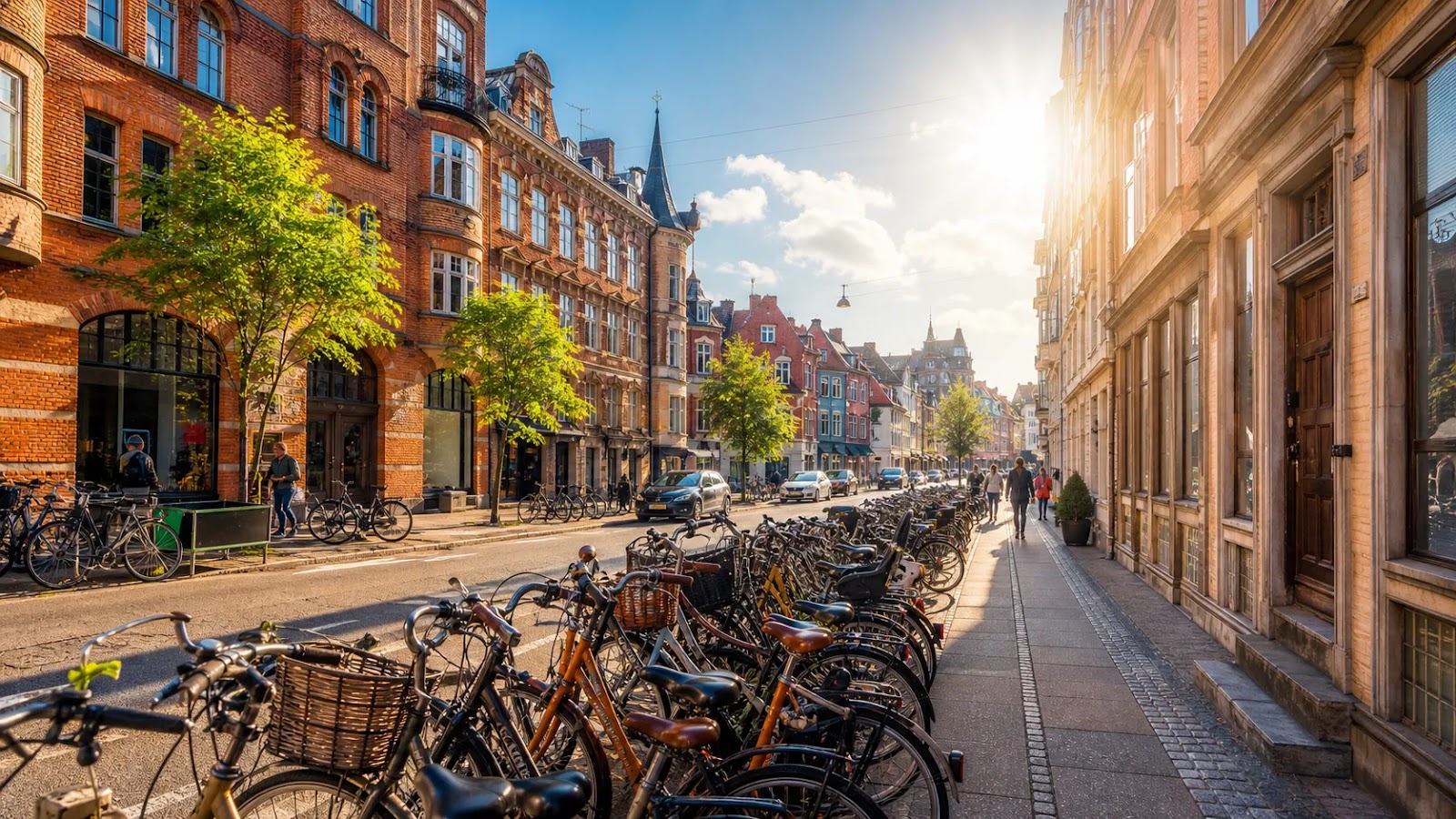
How to Get Around Sustainably
Once you arrive at your destination, your daily choices still matter.
Using public transport, biking, or walking helps reduce emissions and gives you a more authentic perspective of the المكان. Many countries now offer efficient and eco-friendly transport systems, making sustainable travel easier than ever.
Supporting Conservation Through Travel
In some regions, tourism directly contributes to environmental protection. Community-based lodges and eco-tourism initiatives help fund conservation efforts and support local livelihoods.
By choosing these experiences, you can enjoy unique destinations while helping preserve them for future generations.
Conclusion: Start Small, Travel Better
Sustainable travel doesn’t require drastic lifestyle changes. It begins with awareness and grows through consistent, thoughtful decisions.
By packing lighter, choosing better transportation, supporting local communities, and traveling more mindfully, you can reduce your impact and enhance your experiences at the same time.
The future of travel depends on the choices we make today. Travel better, and help protect the world you love to explore.