
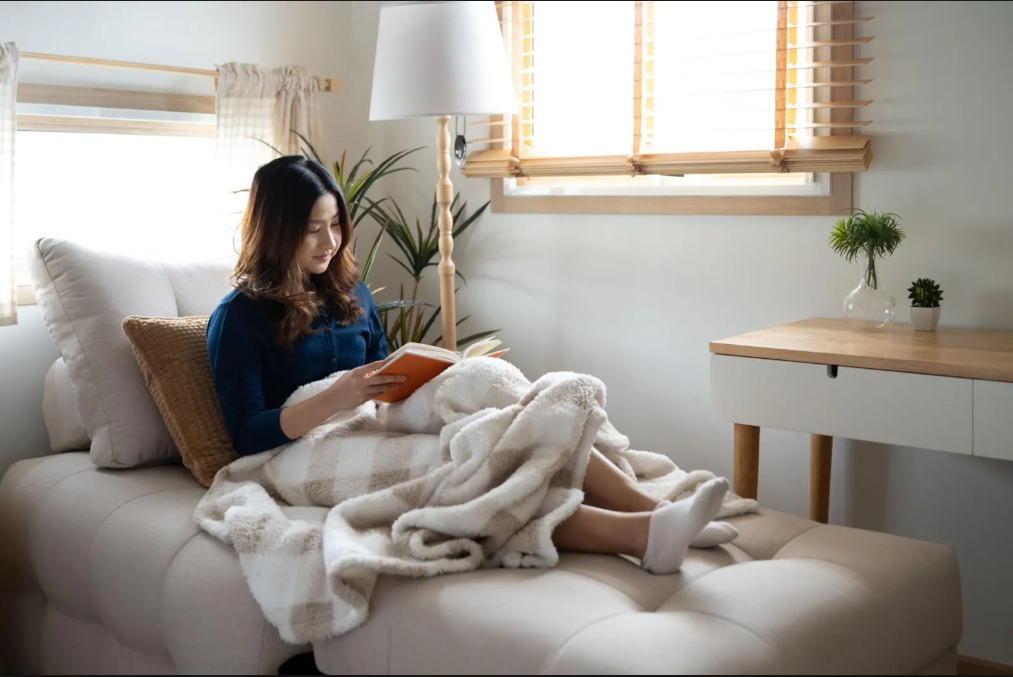
Learning to Be Alone Without Feeling Lonely: Finding Peace in Your Own Presence
Learning to Be Alone Without Feeling Lonely: Finding Peace in Your Own Presence
There is a quiet difference between being alone and feeling lonely, yet many people experience them as the same. Being alone is a physical state. It simply means you are by yourself. Loneliness, however, is emotional. It is the feeling of disconnection, the sense that something is missing even when nothing is physically absent.
In a world that constantly emphasizes connection, productivity, and social interaction, solitude can feel unfamiliar or even uncomfortable. From a young age, many of us are taught to associate happiness with being surrounded by others. As a result, when we find ourselves alone, it can trigger a subtle discomfort, as if something is wrong.
This discomfort often comes not from the absence of people, but from the absence of distraction. When you are alone, there is less external noise to occupy your mind. Thoughts that are usually pushed aside begin to surface. Emotions that were unnoticed become more visible. For some, this can feel overwhelming, leading to the belief that being alone is something to avoid.
Yet, solitude itself is not the problem. It is simply a space. What determines whether that space feels peaceful or lonely is your relationship with yourself.
What If Being Alone Was an Opportunity Instead of a Problem?
Imagine approaching solitude not as something to endure, but as something to explore. When you shift your perspective in this way, being alone becomes an opportunity rather than a limitation. It becomes a space where you can reconnect with yourself without interruption.
In solitude, there is room to notice your thoughts, to understand your emotions, and to reflect on your experiences. Without the influence of external voices, you begin to hear your own more clearly. This clarity can lead to a deeper sense of self-awareness.
Instead of seeking constant stimulation, you begin to appreciate stillness. Instead of filling every moment with activity, you allow space for reflection. Over time, this shift transforms solitude into something meaningful.
Being alone does not mean being disconnected. In fact, it can be one of the most powerful ways to reconnect with yourself.
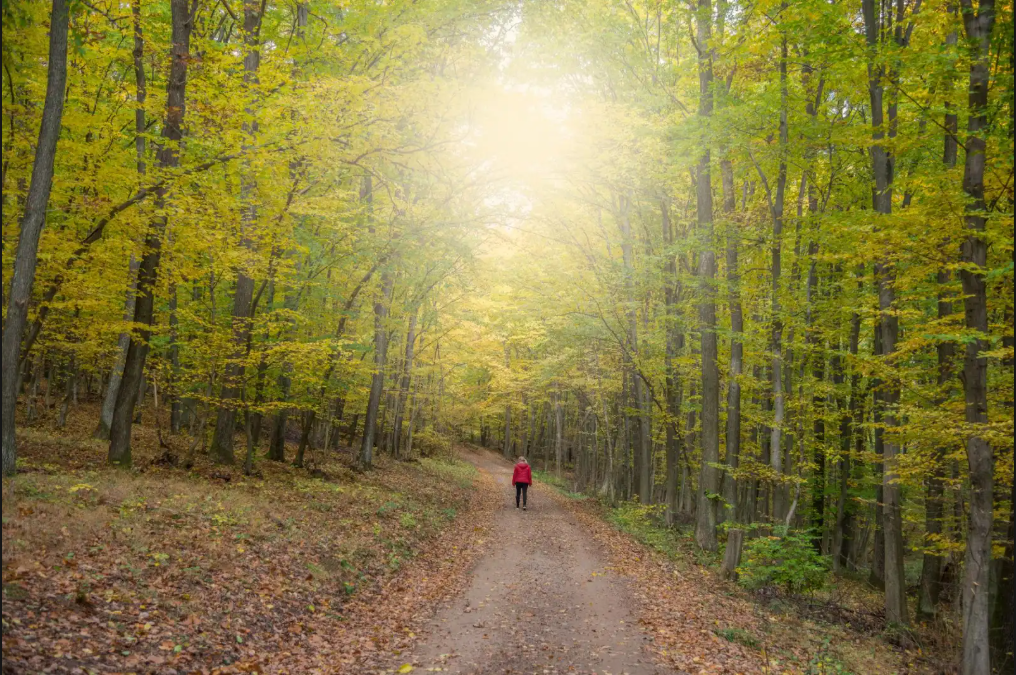
How Does Your Relationship with Yourself Shape Your Experience of Solitude?
The way you experience solitude is directly influenced by how you see yourself. If your inner dialogue is critical or negative, being alone can amplify those thoughts. Without external distraction, they become more noticeable, sometimes leading to discomfort.
On the other hand, if your relationship with yourself is supportive and understanding, solitude can feel calm and grounding. It becomes a space where you can rest, reflect, and recharge.
Developing this kind of relationship does not happen instantly. It requires patience and attention. It involves noticing how you speak to yourself, how you respond to your own thoughts, and how you treat yourself in moments of difficulty.
Over time, as this relationship strengthens, being alone becomes less about absence and more about presence. You begin to feel comfortable in your own company, and solitude becomes a source of stability rather than uncertainty.
Why Do We Seek Constant Distraction in a Connected World?
Modern life offers endless opportunities for distraction. Notifications, messages, and digital content are always within reach. These distractions can be helpful in small amounts, but they can also prevent you from experiencing true solitude.
When every quiet moment is filled with external input, there is little space left for self-reflection. Over time, this can create a dependency on constant stimulation. Being alone without distraction may begin to feel uncomfortable, not because it is inherently difficult, but because it is unfamiliar.
Learning to sit with yourself without distraction is a gradual process. It may feel challenging at first, but with time, it becomes easier. As you become more comfortable in silence, you begin to notice things you previously overlooked.
This awareness can lead to greater clarity and a deeper understanding of your inner world.
How Can You Turn Loneliness into Self-Connection?
Loneliness often arises from a perceived lack of connection. While it is natural to seek connection with others, it is equally important to build a connection with yourself. This internal connection creates a sense of stability that does not depend on external circumstances.
When you begin to understand your thoughts and emotions, you develop a sense of familiarity with yourself. This familiarity reduces the feeling of emptiness that often accompanies loneliness.
Spending intentional time alone can help cultivate this connection. Whether it is through reflection, creative expression, or simply sitting in stillness, these moments allow you to engage with yourself in a meaningful way.
Over time, loneliness begins to shift. It becomes less about what is missing and more about what is present. You begin to experience solitude as a space where you can grow, learn, and find balance.
What Changes When You Become Comfortable Being Alone?
As you become more comfortable with solitude, your perspective begins to change. You no longer see being alone as something to avoid. Instead, you recognize it as a valuable part of your life.
This comfort creates a sense of independence. You are no longer reliant on constant interaction to feel complete. You are able to enjoy your own company, to find satisfaction in simple moments, and to navigate your thoughts with greater ease.
This shift also affects your relationships with others. When you are comfortable being alone, your connections become more intentional. You engage with others not out of necessity, but out of genuine interest and appreciation.
In this way, solitude enhances connection rather than replacing it.

Can Solitude Lead to Greater Clarity and Purpose?
Without the noise of constant interaction, solitude creates space for clarity. It allows you to reflect on your goals, your values, and the direction of your life. In this space, you can begin to understand what truly matters to you.
This clarity can guide your decisions and shape your actions. It helps you align your life with your priorities, rather than simply reacting to external demands.
Solitude also encourages creativity. With fewer distractions, your mind has the freedom to explore ideas, to make connections, and to imagine new possibilities. Many insights emerge not in moments of activity, but in moments of stillness.
By embracing solitude, you create an environment where clarity and purpose can naturally develop.
How Do You Begin Embracing Time Alone Without Fear?
The transition from loneliness to peaceful solitude does not happen instantly. It begins with small steps. You may start by creating short moments of intentional quiet, allowing yourself to be present without distraction.
At first, these moments may feel unfamiliar. Thoughts may arise, and emotions may surface. This is part of the process. Instead of avoiding these experiences, you learn to observe them without judgment.
Over time, these moments become more comfortable. You begin to trust yourself, to understand your inner world, and to find a sense of calm in your own presence.
Patience is key. The goal is not to eliminate loneliness completely, but to change your relationship with it. As this relationship evolves, solitude becomes less intimidating and more enriching.
Conclusion: What If Being Alone Was Exactly What You Needed?
Being alone does not have to mean feeling lonely. It can be a space of peace, clarity, and self-discovery. It can be a time to reconnect with yourself, to understand your thoughts, and to find balance in a world that is often overwhelming.
When you learn to be comfortable in your own presence, you gain something valuable. You develop a sense of independence, a deeper understanding of yourself, and a greater appreciation for both solitude and connection.
In the end, the ability to be alone without feeling lonely is not about isolation. It is about relationship. It is about learning to be with yourself in a way that feels supportive, calm, and meaningful.
And sometimes, in that quiet space, you discover that you were never truly alone at all.