
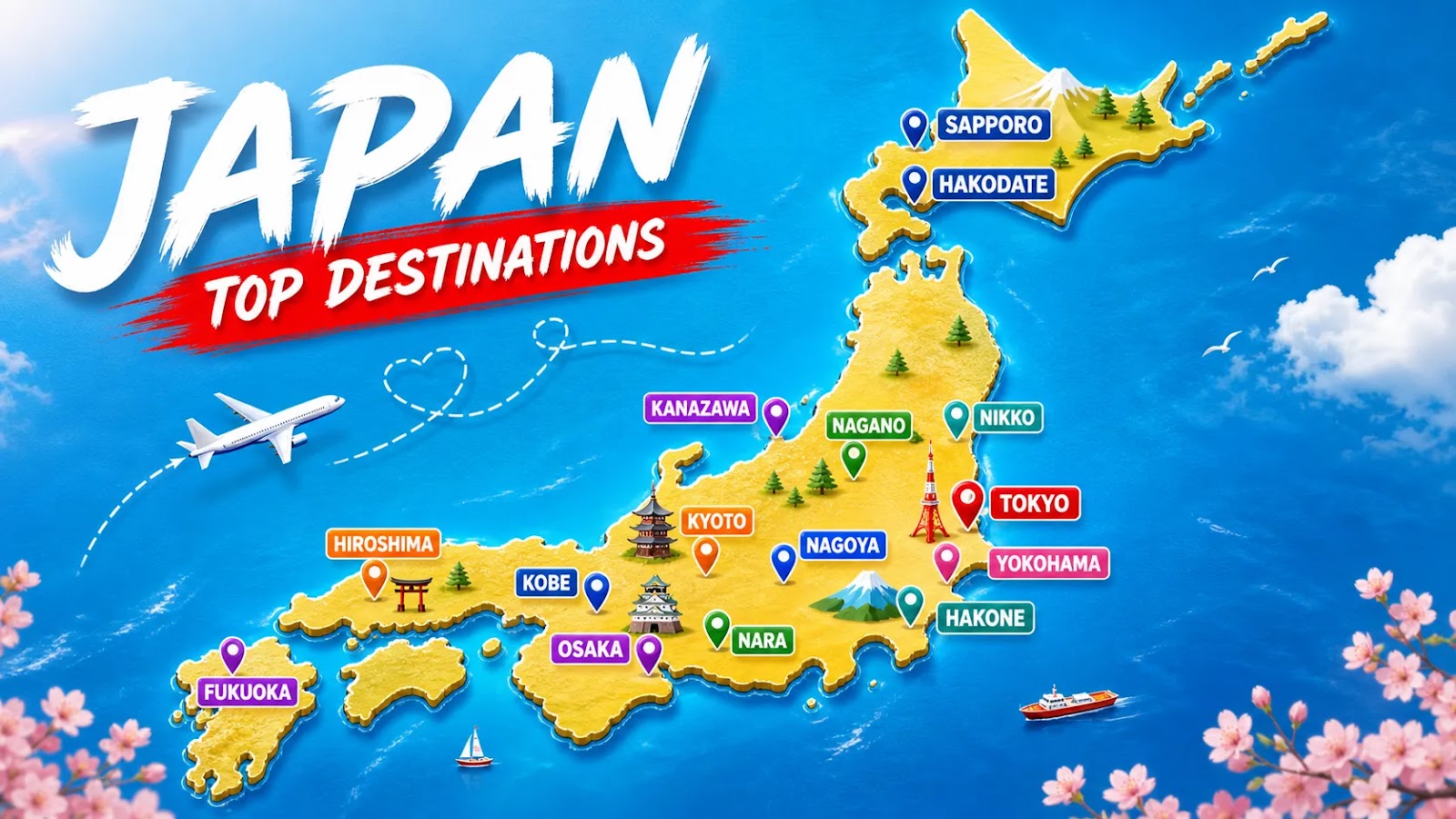
Must Try Food in Japan: 20 Unique Japanese Foods in Tokyo, Osaka, Kyoto & Beyond (2026 Guide)
Japanese cuisine is one of the most refined and diverse food cultures in the world. Built on fresh seasonal ingredients, precise preparation techniques, and deep cultural traditions, Japan offers far more than just sushi and ramen.
From Tokyo’s seafood markets to Kyoto’s temple cuisine and Osaka’s street food streets, every region has its own iconic dishes. This guide introduces 20 must-try Japanese foods across the country, perfect for travelers planning a Japan foodie trip in 2026.
Famous Iconic Japanese Foods You Must Try
Japanese food is known for balance, simplicity, and respect for ingredients. Whether it’s raw seafood or slow-cooked broths, every dish tells a cultural story.
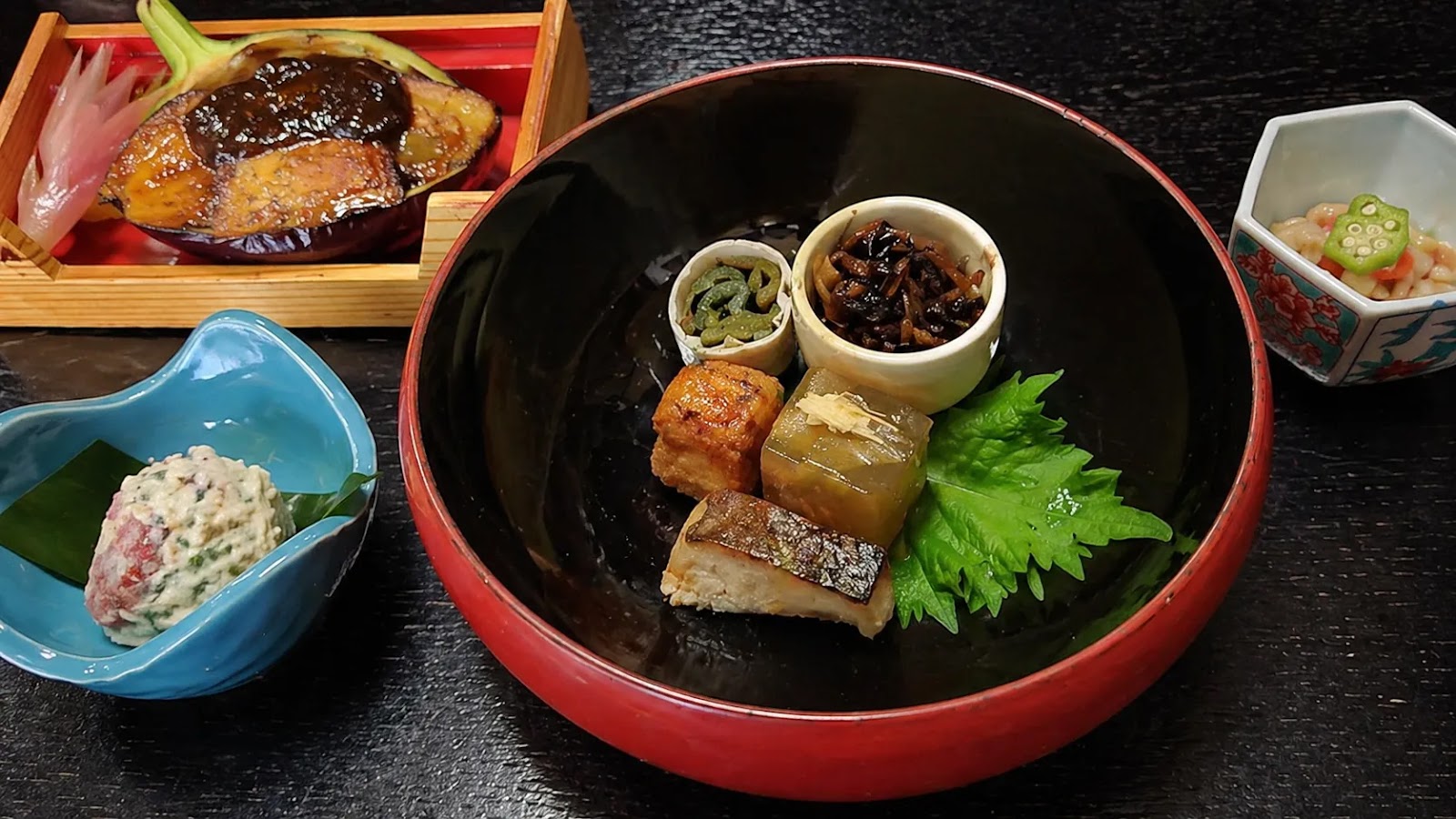
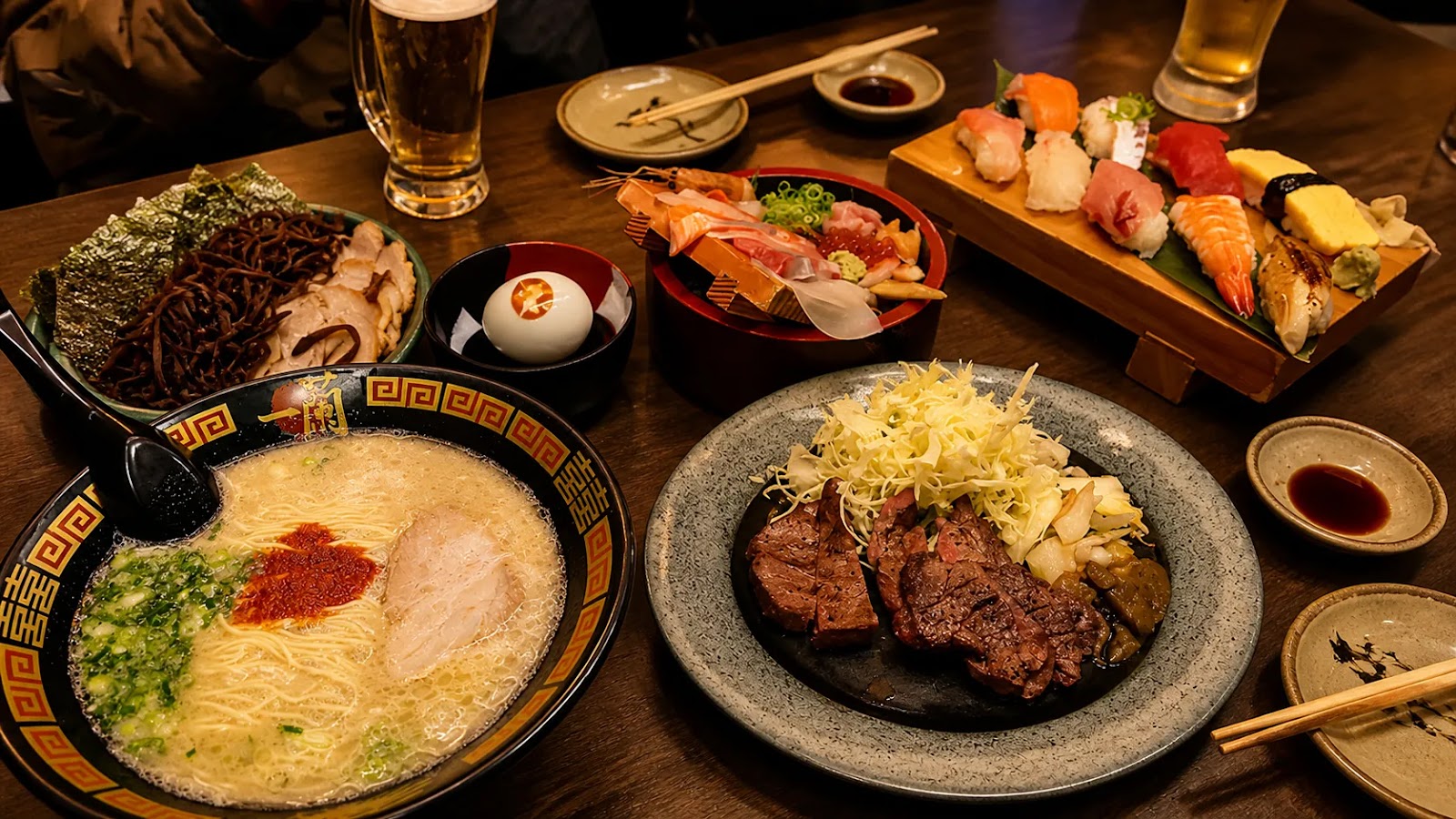
Popular examples include:
Sushi and sashimi from Tokyo’s fish markets
Ramen with rich regional broths
Tempura with light, crispy batter
Yakitori from local izakayas
Okonomiyaki and takoyaki from Osaka
Each dish offers a different taste of Japan’s culinary identity.
Tokyo Food Guide: Fresh Seafood & Traditional Dishes
Tokyo is a paradise for seafood lovers and traditional Japanese cuisine.
Edomae Sushi
Edomae sushi is Tokyo-style sushi made with fresh seafood from Tokyo Bay. It focuses on simplicity, balance, and seasonal freshness, offering a more refined taste compared to global sushi versions.
Fukagawa Meshi
A comforting rice dish topped with clams and miso, originally eaten by fishermen. It has a deep umami flavor similar to seafood risotto but with a distinctly Japanese taste.
Tsukudani
Small seafood, fish, or seaweed simmered in soy sauce and mirin. It is salty, slightly sweet, and commonly eaten with rice as a flavorful side dish.
Kyoto Food Guide: Vegan Cuisine & Traditional Flavors
Kyoto is known for elegant, subtle, and spiritual cuisine influenced by Buddhist traditions.
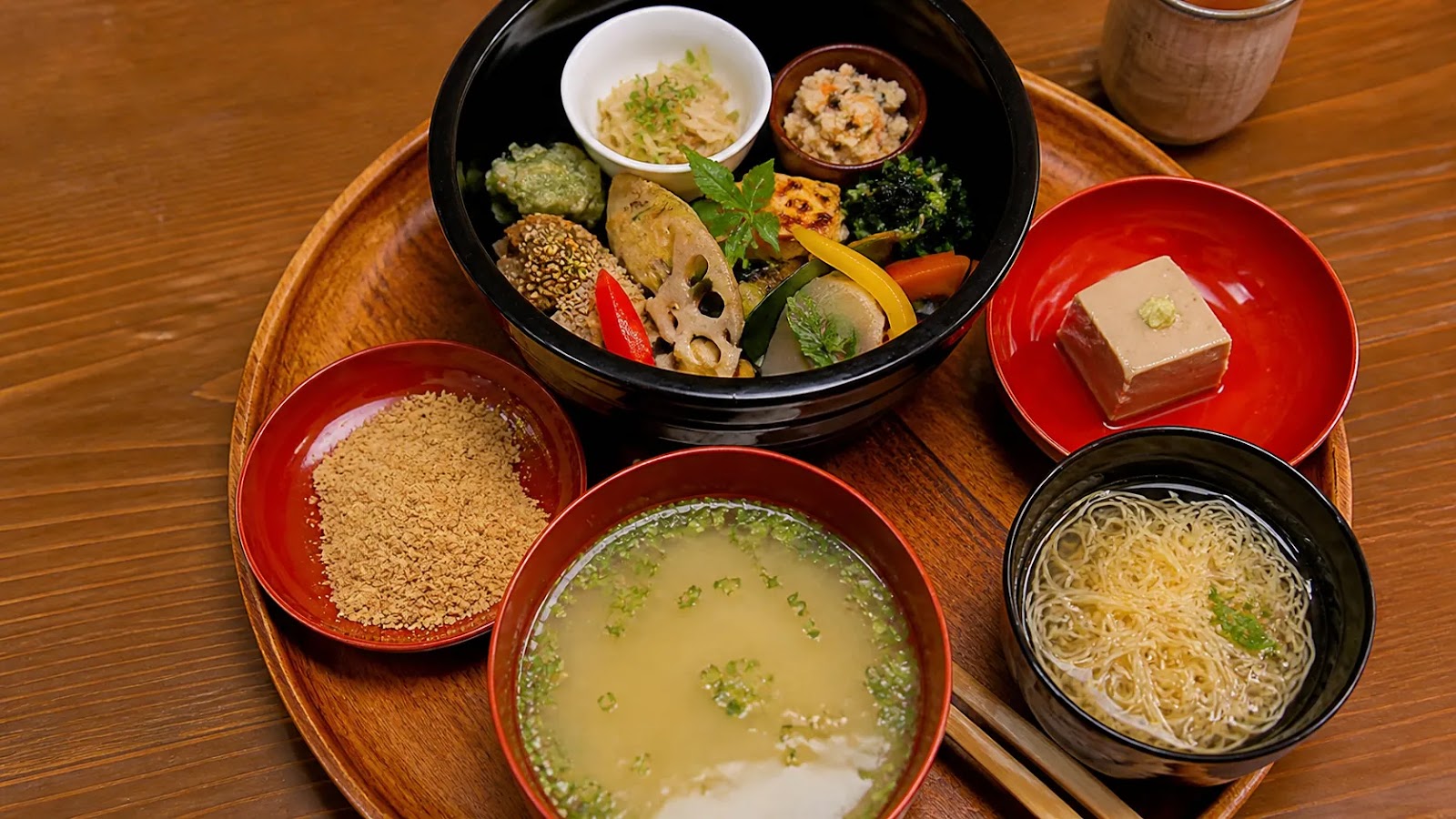
Shojin Ryori
A traditional Buddhist vegetarian cuisine made with tofu, vegetables, and seasonal ingredients. The flavors are light, clean, and deeply connected to mindfulness and simplicity.
Yatsuhashi
A popular Kyoto sweet made from rice flour, sugar, and cinnamon, often filled with red bean paste. It is soft, chewy, and aromatic.
Fushimi Sake
Kyoto’s famous sake brewed with pure spring water. It is smooth, balanced, and often enjoyed near Fushimi Inari Shrine for a full cultural experience.
Osaka Food Guide: Japan’s Street Food Capital
Osaka is often called “Japan’s kitchen” thanks to its rich street food culture and bold flavors.
Takoyaki
Ball-shaped snacks filled with octopus, green onion, and ginger, cooked until crispy outside and soft inside. A must-try street food in Dotonbori.
Okonomiyaki
A savory pancake made with cabbage, meat, and seafood, topped with sauce, mayonnaise, and bonito flakes. It is rich, hearty, and full of umami flavor.
Hakozushi
Pressed box-style sushi with layers of rice and fish. It has a firmer texture and stronger flavor compared to Tokyo-style sushi.
Nara Food Guide: Traditional & Unique Local Dishes
Nara offers some of Japan’s most unusual and traditional comfort foods.
Chagayu
Rice porridge cooked with green tea, creating a light, earthy, and soothing flavor. It is simple yet deeply comforting.
Narazuke
Vegetables pickled in sake lees, offering a sweet, slightly alcoholic, and complex taste unlike typical pickles.
Miwa Somen
Thin wheat noodles served cold with dipping sauce. Refreshing and light, perfect for summer travel.
Hakone Food Guide: Hot Spring & Fine Dining Experience
Hakone combines nature, hot springs, and traditional Japanese dining.
Kuro Tamago
Black eggs boiled in volcanic hot springs. They taste like regular boiled eggs with a mild sulfur flavor and are believed to extend lifespan.
Kaiseki Ryori
A multi-course fine dining experience focusing on seasonal ingredients and artistic presentation. It is Japan’s most refined traditional meal style.
Yuba
Tofu skin with a soft, creamy texture and mild nutty flavor, often served fresh or in hot soup dishes.
Must Try Japanese Foods in Each City (Quick Summary)
Tokyo offers Edomae sushi, Fukagawa meshi, and tsukudani
Kyoto focuses on Shojin ryori, yatsuhashi, and sake culture
Osaka is famous for takoyaki, okonomiyaki, and hakozushi
Nara features chagayu, narazuke, and miwa somen
Hakone highlights kaiseki ryori, kuro tamago, and yuba
How to Plan a Japan Food Tour (7–10 Days Itinerary)
Tokyo (Days 1–2)
Visit Tsukiji Outer Market for sushi and seafood
Explore Asakusa for traditional street sweets
Try ramen and monjayaki in Shinjuku
Hakone (Days 3–4)
Taste black eggs in Owakudani
Enjoy kaiseki dining in hot spring ryokans
Kyoto (Days 5–6)
Experience kaiseki in Gion
Visit sake breweries in Fushimi
Nara (Day 7)
Try chagayu in Nara Park
Taste traditional sweets in Naramachi
Osaka (Days 8–9)
Eat takoyaki in Dotonbori
Try okonomiyaki and kushikatsu in Shinsekai
Final Thoughts
Japanese cuisine is more than food—it is culture, history, and craftsmanship on a plate. Each region offers unique flavors shaped by geography and tradition.
Whether you’re exploring Tokyo’s seafood markets, Kyoto’s temple cuisine, or Osaka’s street food alleys, Japan guarantees a food journey you will never forget.
If you are planning a trip to Japan in 2026, make sure these 20 must-try foods are on your travel checklist.