
CBS Y&R Mystery: Matt Clark Returns With A Keycard — Is His Amnesia A Trap?
The Young and the Restless is setting the stage for a chilling new chapter, and at the center of it all is Matt Clark—a man who may have survived the desert, but whose return could be far more dangerous than anyone expects. What initially appears to be a story of survival quickly transforms into a psychological puzzle, one that could shake Genoa City to its core.
After the explosive confrontation with Sienna, many assumed Matt’s story had reached its breaking point. The violence, the chaos, and the aftermath of that desert showdown suggested a clear end. But instead of fading away, Matt re-emerges under circumstances that raise more questions than answers—and possibly signal a far more calculated game.
A Mysterious Reappearance At A Diner
Matt’s return begins quietly, almost deceptively so. He is found at a roadside diner, visibly injured, disoriented, and carrying what may be the most important clue of all—a keycard.
The head injury he sustained during his clash with Sienna is unmistakable. It serves as a physical reminder of the brutality he endured, but it may also explain his strange behavior. When he interacts with a waitress, there is a noticeable hesitation in his voice, a lack of certainty that suggests something is not quite right.
He asks simple questions—where he is, how far away a certain place might be—but the tone is what stands out. This is not the confident, dangerous Matt viewers have come to recognize. Instead, he appears confused, almost lost, as if he is trying to piece together fragments of a reality that no longer fully makes sense.
Then comes the keycard.
That single object becomes the turning point of the entire mystery, hinting at a connection that leads Matt straight back to Genoa City.
The Keycard Leads Back To The GCAC
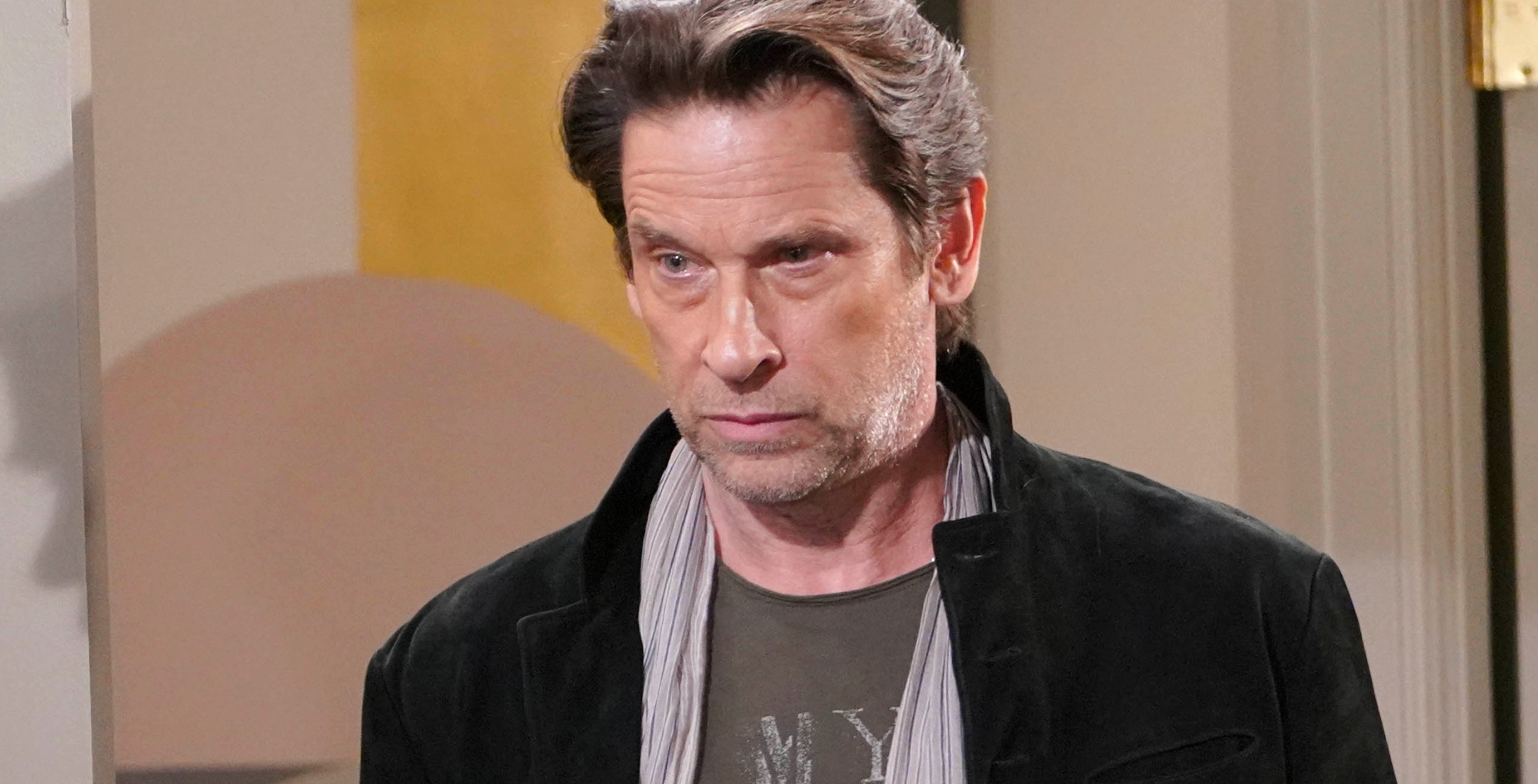
As the story unfolds during the week of May 4 through May 8, Matt is expected to resurface at the Genoa City Athletic Club, still in possession of the keycard. This detail may tie directly to Sienna’s past use of a decoy room at the GCAC, suggesting that the card is not random—but part of a larger, more deliberate trail.
Whether Matt found the keycard by accident or was meant to have it remains unclear. But its significance cannot be ignored. It acts as both a physical link to the past and a narrative device pulling Matt back into the center of Genoa City’s drama.
Once he arrives at the GCAC, the tone of the story begins to shift. What starts as a survival tale quickly evolves into something far more strategic.
Injury Or Illusion? The Amnesia Question
The most unsettling aspect of Matt’s return is the question of his mental state. Is he truly suffering from memory loss due to his head injury, or is this confusion part of a carefully constructed act?
At first glance, the signs point toward genuine disorientation. His behavior at the diner suggests someone struggling to make sense of his surroundings. If the injury has impacted his memory, it could explain why he appears hesitant, uncertain, and disconnected from his past actions.
But this is Matt Clark—a character with a history of manipulation, unpredictability, and calculated chaos.
The possibility that Matt may be faking amnesia introduces a far more dangerous layer to the storyline, transforming confusion into a potential weapon.
If his memory loss is real, his return could be driven by instinct rather than intent. He may simply be following the only clue he has, unaware of the destruction he previously caused. This would make his presence unpredictable, as he navigates a world he does not fully remember.
However, if the amnesia is an act, the implications are far more chilling.
A Shift From Chaos To Mind Games
Matt has already proven that he is capable of causing widespread disruption. His past actions—taking hostages, creating fear, and pushing situations to the brink—establish him as a formidable threat.
But this time, the danger may not come from explosive actions. Instead, it may come from something quieter, more controlled, and ultimately more unsettling.
If Matt chooses to hide behind the illusion of memory loss, he gains a powerful advantage. People may lower their guard, seeing him as a victim rather than a threat. Sympathy could replace suspicion, giving him the time and space to observe, plan, and manipulate.
He could move through Genoa City unnoticed, gathering information, identifying weaknesses, and positioning himself for whatever comes next.
This shift from physical chaos to psychological strategy marks a significant evolution in his character.
The Aftermath Of The Explosion
Complicating matters further is the fallout from the gas station explosion. Any evidence that could have tied Matt to previous crimes may have been destroyed, effectively clearing a path for him to re-enter Genoa City without immediate consequences.
This lack of evidence creates a dangerous vacuum. Without proof, there may be little to stop Matt from moving freely, interacting with others, and slowly re-establishing his presence.
For the residents of Genoa City, this means the threat is no longer obvious. It is hidden, subtle, and potentially growing stronger with each passing moment.
A City On Edge
As Matt reintegrates into the environment, the uncertainty surrounding his condition becomes the central tension. Is he a broken man searching for answers, or a calculating figure waiting for the right moment to strike?
The longer this question remains unanswered, the more power Matt holds.
People may begin to debate whether he deserves help or punishment. Some may believe in his apparent vulnerability, while others remain wary of his past. This divide creates opportunities for Matt to exploit.
He does not need to act immediately. In fact, patience may be his greatest weapon.
What Happens When The Memories Return?
If Matt’s amnesia is real, it is unlikely to last forever. As memories begin to resurface, they could bring back everything—his anger, his motives, and his desire for control.
Each recovered memory would sharpen his focus, turning confusion into clarity and vulnerability into strength.
But if the amnesia is fake, then every moment of uncertainty has been part of a larger performance. Every question, every hesitation, every sign of weakness would be carefully calculated to mislead those around him.
In that scenario, Matt is not just returning—he is rewriting the rules of the game.
A Dangerous Second Act

Matt Clark’s reappearance signals more than just a continuation of his story. It represents a transformation. Whether driven by genuine injury or strategic deception, his presence introduces a new kind of tension—one rooted in uncertainty and psychological complexity.
The keycard, the diner, the GCAC—all of these elements form a trail that leads back to Genoa City, but they also raise a critical question: what does Matt want?
Is he searching for answers, or setting the stage for revenge?
As The Young and the Restless moves forward, one thing becomes clear: Matt’s return is not about survival. It is about what comes next.
And in Genoa City, hesitation can be dangerous.
Because whether Matt Clark is lost or pretending to be, the real threat may only just be beginning.