
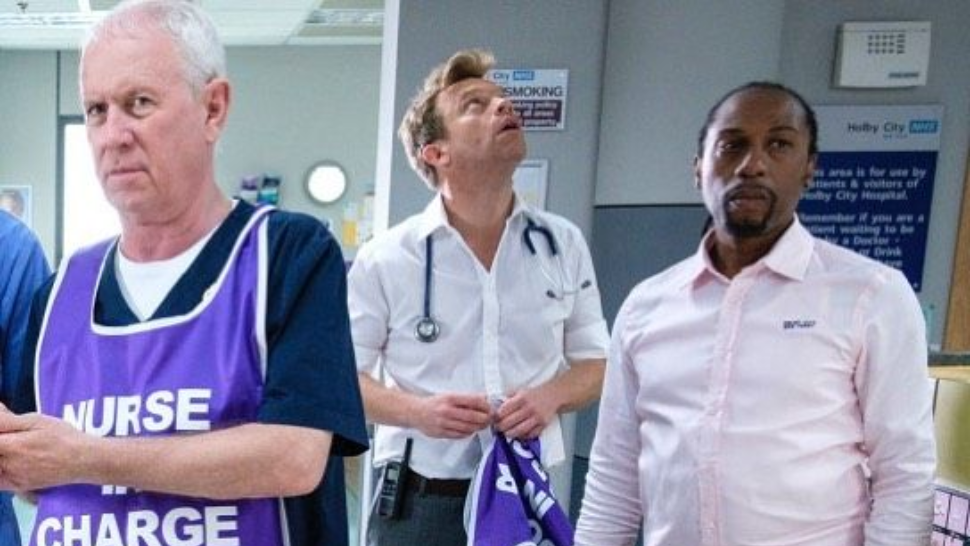
Casualty’s Dylan Keogh Confronts The Pain Of His Past As Family Wounds Come Back To Life
For years, Dylan Keogh has been the person others turn to during moments of crisis.
Inside Holby City’s Emergency Department, he is the calm voice during chaos.
The experienced consultant who knows exactly what to do.
The doctor who can guide others through the most frightening situations.
But outside the hospital walls, Dylan has always struggled with a different kind of emergency.
His own past.
The latest chapter of Casualty’s Lethal Legacy places Dylan face-to-face with the one person who represents many of the unresolved issues he has spent a lifetime avoiding: his estranged father, Brian.
It is not simply a family reunion.
It is a confrontation with the memories, fears and emotional scars that have shaped Dylan into the person he is today.
The Past Has Always Followed Dylan
Dylan’s relationship with his father has been one of the most important influences on his character.
Long before becoming a respected doctor, Dylan was a son trying to understand a complicated family environment.
His experiences growing up shaped the way he views responsibility, relationships and fatherhood.
The irony is impossible to ignore.
Dylan has spent much of his adult life trying to be everything his own father was not.
Yet deep inside, he has always feared repeating the same mistakes.
That fear becomes even stronger when his relationship with Matty begins to fracture.
Searching For Answers In The Wrong Place
After his relapse, Dylan finds himself returning to the source of some of his deepest pain.
He visits Brian at the care home, hoping perhaps for an explanation.
Maybe an apology.
Maybe some form of closure.
Instead, the encounter forces him to confront emotions he has carried for decades.
Anger.
Disappointment.
Grief.
The conversation is not about changing the past.
It is about finally acknowledging how much the past has affected him.
A Father And Son Who Never Learned How To Communicate
One of the most heartbreaking aspects of Dylan’s story is that his relationship with Brian is not defined only by conflict.
It is also defined by everything left unsaid.
The conversations that never happened.
The emotions that were never expressed.
The support that never arrived when it was needed most.
Many families carry similar wounds.
Not because people do not care.
But because they do not know how to communicate pain.
Casualty explores that reality with remarkable honesty.
The Fear Of Becoming His Father
Dylan’s greatest emotional struggle is not simply forgiving Brian.
It is understanding himself.
Throughout his life, he has worried that parts of his father’s behaviour exist within him.
His own battle with alcohol makes those fears even more complicated.
Every mistake feels like evidence that he has become the person he always feared.
Every difficult moment with Matty reinforces that insecurity.
But the storyline raises an important question.
Are we defined by where we come from?
Or by the choices we make afterwards?
Matty Becomes The Mirror
The emotional power of Dylan’s storyline comes from the way his relationship with Matty reflects his relationship with Brian.
The same fears.
The same misunderstandings.
The same difficulty expressing love.
Dylan desperately wants to be a good father.
Yet his fear of failure sometimes prevents him from accepting help.
In pushing Matty away, he risks repeating the very patterns he spent years trying to escape.
That realisation makes his current crisis even more painful.
William Beck Brings Quiet Intensity
William Beck’s performance continues to be one of the strongest elements of Lethal Legacy.
Dylan’s breakdown is not portrayed through constant dramatic outbursts.
Instead, the actor focuses on the smaller signs of emotional collapse.
The hesitation before speaking.
The anger hiding deeper sadness.
The exhaustion of someone who has spent years pretending he is fine.
It is a performance built around restraint.
And that makes it feel painfully real.
Addiction As A Symptom, Not The Whole Story
A weaker drama might present Dylan’s relapse as the central issue.
Casualty goes further.
The drinking is important.
But it is also a symptom of much deeper emotional struggles.
The storyline explores loneliness.
Shame.
Unresolved family trauma.
The pressure of appearing strong.
By looking beyond the addiction itself, the series creates a much more complex portrait of recovery.
Can Dylan Break The Cycle?
The biggest question surrounding Dylan is not whether he can stop drinking.
It is whether he can finally accept that he deserves support.
For years, he has been the person helping others.
The expert.
The mentor.
The person everyone relies upon.
Now he must learn the difficult lesson that needing help does not make him weak.
It makes him human.
A Story About More Than One Family
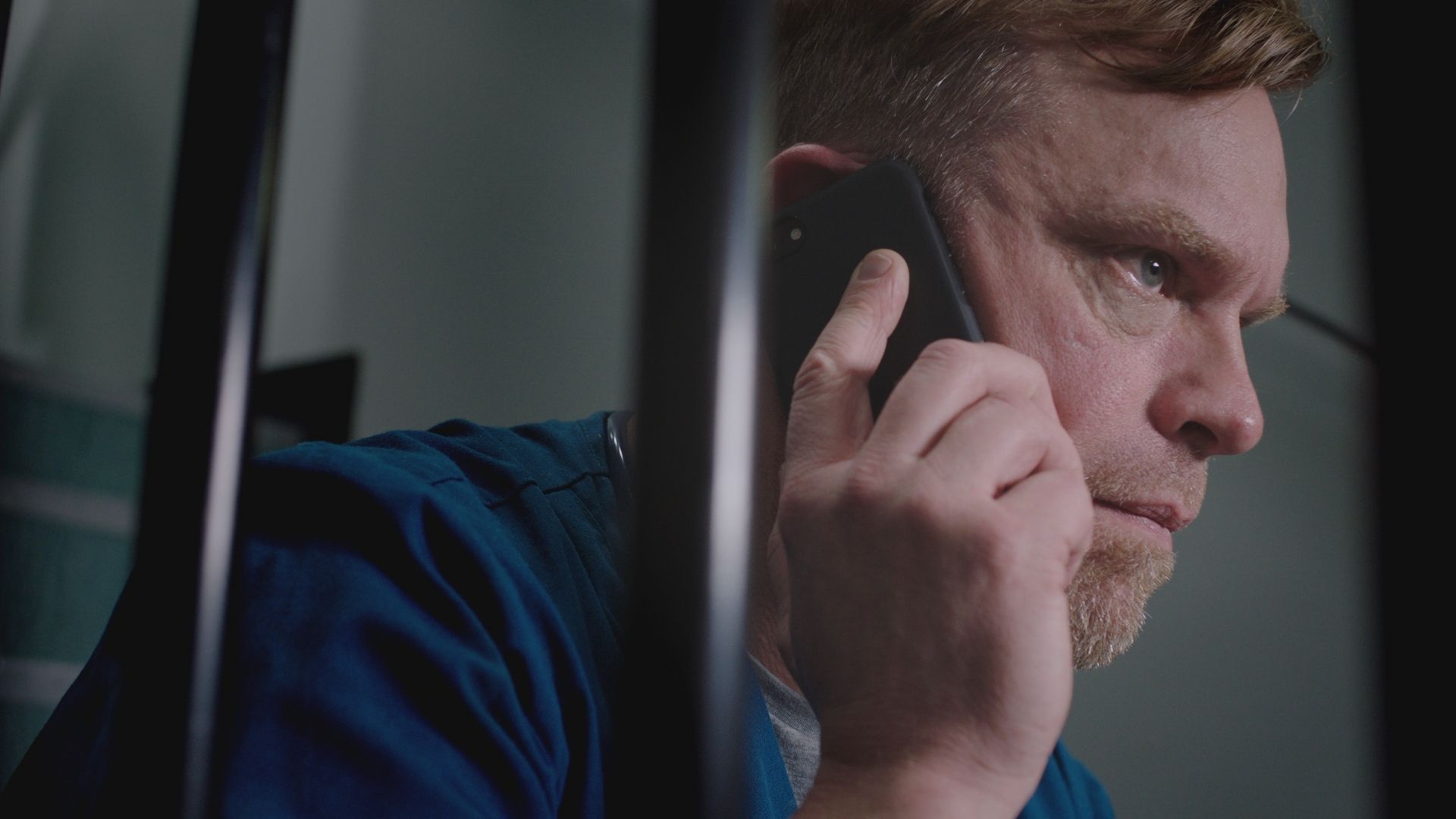
Although Dylan and Brian’s relationship sits at the centre of this storyline, its themes reach far beyond them.
Many people understand the experience of carrying childhood pain into adulthood.
Many understand the fear of repeating family patterns.
Many understand the difficulty of forgiving someone who caused lasting hurt.
That emotional universality is what makes Dylan’s journey so powerful.
The Road Ahead Remains Uncertain
As Lethal Legacy moves toward its final episodes, Dylan stands at a critical turning point.
He has confronted the past.
But confronting something does not automatically mean overcoming it.
The next step may be the hardest.
Accepting that his future does not have to be controlled by what happened before.
Dylan Keogh has spent years saving others from their darkest moments.
Now, for perhaps the first time, he must learn how to save himself.