
Chase divorced Brook Lynn after Brook confessed the truth General Hospital Spoilers
Betrayal On Route 91: The Incident That Shattered Trust
Port Charles was rocked to its core when an incident on Route 91 set in motion a chain of events that would upend one of its most beloved couples. Brook Lynn Quartermaine, after enjoying a glass of wine en route to Charlie’s Pub to catch Gio’s performance, almost collided with Jordan Ashford’s car. In a moment of panic, compounded by the knowledge that she had been drinking, she drove away rather than taking responsibility.
Initially, it was a mistake many could sympathize with—a split-second error that spiraled catastrophically. However, the revelation that followed proved far darker. Brook Lynn eventually confessed to Chase that she had indeed been involved in the accident, but her admission opened the door to even more complex and morally fraught choices. Rather than facing the consequences directly, she attempted to shift the blame onto Willow.
Manipulation, Lies, and Digital Deception
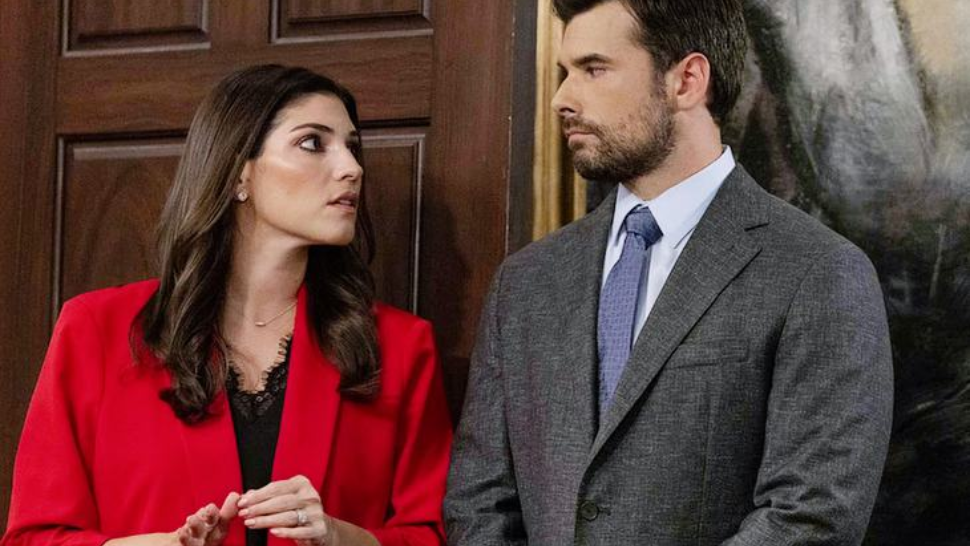
To reinforce her fabricated story, Brook Lynn enlisted Lucy Co and Brick to manipulate Willow’s GPS data, creating digital evidence implicating Willow as the driver who fled the scene. What might have been a momentary panic became a calculated deception aimed at protecting her own interests. For Brook Lynn, the stakes were personal and high—her long-sought opportunity to adopt Phoebe hung in the balance—but the method she chose crossed an ethical line that shocked fans and viewers alike.
This action revealed a darker, more desperate side to Brook Lynn, one that contrasts sharply with the responsible, principled woman she had been evolving into alongside Chase. The Quartermaine legacy of ambition and family loyalty collided with individual fear, creating a narrative that is raw, deeply human, and painfully realistic.
Chase’s Breaking Point: From Love to Disillusionment
For Detective Harrison Chase, the revelation was nothing short of devastating. Known throughout Port Charles for his integrity and principled approach to both life and law enforcement, Chase confronted the enormity of the betrayal. Brook Lynn’s attempt to frame an innocent Willow struck at the very foundation of trust and morality upon which their relationship was built.
Chase’s response was swift and decisive. He filed for divorce, a move underscoring the gravity of the situation and the impossibility of overlooking a deliberate, ongoing manipulation. This was not a temporary lapse or a singular error—it was a continuous, calculated effort that destroyed the trust at the heart of their marriage. The divorce is both a personal and symbolic severing, highlighting the destructive consequences of deceit, even within families as deeply intertwined as the Quartermaines and Spencers.
The Ripple Effect: Willow Caught in the Crossfire
While Chase navigates his feelings of betrayal, Willow finds herself at the center of the fallout. The framing placed her reputation and credibility under severe strain, and even as she maintained innocence, the appearance of guilt was nearly unavoidable. Brook Lynn’s actions had not only jeopardized her marriage but also painted Willow as the antagonist in a narrative she did not deserve.
This dynamic introduces a complex moral question: who is truly at fault? While Brook Lynn’s fear and desperation drove her, the collateral damage to Willow’s life highlights the ripple effects of lies and manipulation in Port Charles. Fans can expect emotionally charged confrontations as truth and perception clash in unexpected ways.
Family Dynamics and Quartermaine Influence
Adding another layer of complexity is the involvement of Tracy Quartermaine, whose willingness to initially shield Brook Lynn further complicates the fallout. Tracy’s protective instincts reflect the enduring strength of family loyalty in Port Charles but also underscore the limitations of influence when deception escalates beyond control.
The Quartermaine family, long associated with power, secrecy, and occasionally ruthless decision-making, serves as both a protective and disruptive force. In this storyline, their influence amplifies the stakes, highlighting how personal loyalty can inadvertently exacerbate conflict, leaving Chase and Willow to navigate a labyrinth of truth, perception, and justice.
Forgiveness, Redemption, and Emotional Fallout
For Chase, the road forward is fraught with tension. Will he reconcile with Brook Lynn, or is the breach of trust irreparable? General Hospital has historically allowed its characters to undergo redemption arcs, but this situation carries unprecedented emotional weight. Brook Lynn’s actions reveal not only desperation but also a troubling pattern of avoidance and ethical compromise.’
Chase’s moral compass and steadfast commitment to truth may make forgiveness difficult, especially given the ongoing threat to Willow and the consequences of Brook Lynn’s manipulation. This narrative emphasizes that redemption, when possible, comes at a high emotional cost—a theme that resonates deeply with long-time viewers invested in the ethical complexities of Port Charles.
A New Path for Chase and Willow
As Brook Lynn’s web of lies unravels, Chase and Willow’s dynamic emerges as a focal point of the story. Their growing connection, built on shared challenges and mutual understanding, offers a stark contrast to the betrayal he experienced in his marriage. This evolving relationship signals the potential for healing and stability amidst the chaos, presenting viewers with a nuanced portrayal of trust, loyalty, and the possibility of finding love after profound disappointment.
Moreover, Chase’s protective instincts extend beyond emotional support. With custody of Phoebe hanging in the balance, his role as a guardian and moral anchor becomes central. His actions now reflect both his personal integrity and his determination to protect those who have been unfairly caught in the crossfire.
Legal and Ethical Implications
Brook Lynn’s deliberate framing of Willow raises questions about justice, accountability, and moral responsibility. Legal consequences loom large, and her actions threaten not only her marriage but her social standing, potential adoption rights, and future within Port Charles. These developments illustrate how individual choices, especially under pressure, can have cascading effects on broader community dynamics.
The storyline challenges viewers to consider the limits of loyalty, the cost of deception, and the tension between self-preservation and ethical conduct. By framing Willow, Brook Lynn’s desperate bid to protect herself introduces real-world moral complexity into the soap opera canvas, making the drama feel authentic and deeply engaging.
Anticipation for Upcoming Episodes
As the summer arc unfolds, audiences can expect a series of emotionally charged confrontations and revelations. Brook Lynn must confront the consequences of her actions, while Chase navigates his evolving relationship with Willow and his responsibilities as a father. Trust will be tested, alliances questioned, and the fallout from Brook Lynn’s deception will reverberate across multiple storylines.
This narrative exemplifies General Hospital’s ability to weave intricate plots that balance personal drama, moral dilemmas, and suspense. Fans can anticipate moments of high tension, poignant reflection, and potentially transformative decisions that will shape the characters for years to come.
Conclusion
In sum, the Route 91 incident has become more than a single misstep—it is the catalyst for a profound moral and emotional reckoning. Brook Lynn’s attempts to protect her future have set off a chain of events that threatens her marriage, her reputation, and the well-being of those around her. Chase’s principled response, combined with Willow’s emerging role in his life, creates a layered, high-stakes narrative rich in drama, ethical questions, and human emotion.
As Port Charles grapples with betrayal, justice, and redemption, viewers are reminded why General Hospital remains a staple of daytime television: its stories reflect both the extraordinary and the intimately human, blending suspense, moral complexity, and the enduring power of love and loyalty.