

Marshals Is Fighting Against A Dark Yellowstone Trend It Started In The First Place
The Yellowstone universe has always thrived on tension, moral ambiguity, and high-stakes drama. From the very first season, the series explored how power, loyalty, and family legacy collide in a world where violence often feels inevitable. But with the premiere of Marshals, the latest spinoff, the show isn’t just revisiting these themes—it’s actively confronting a darker trend that Yellowstone itself helped create.
Episode 6 of Marshals, in particular, showcased just how far the stakes have escalated. The episode highlighted the fallout from criminal enterprises, the lingering consequences of personal vendettas, and the emotional toll of a world in which survival often comes at a moral cost. What’s fascinating is that while the original Yellowstone series frequently glorified the ruthless measures the Duttons employed to protect their land and family, Marshals flips the script. Here, those same methods are examined through a lens of accountability. The team must navigate the same moral gray areas, but they’re also forced to reckon with the human cost of unchecked power.
Take Kayce Dutton’s trajectory, for example. In Yellowstone, he often operated under his father’s shadow, wielding both his authority and his violence in the name of family protection. Marshals takes those same instincts and frames them in a modern law enforcement context, where every decision carries immediate and tangible consequences. The dark allure of vigilantism—the trend that Yellowstone established early on—is being tested. Now, characters are not just fighting external threats; they’re grappling with the internal repercussions of having once believed that might alone could solve everything.
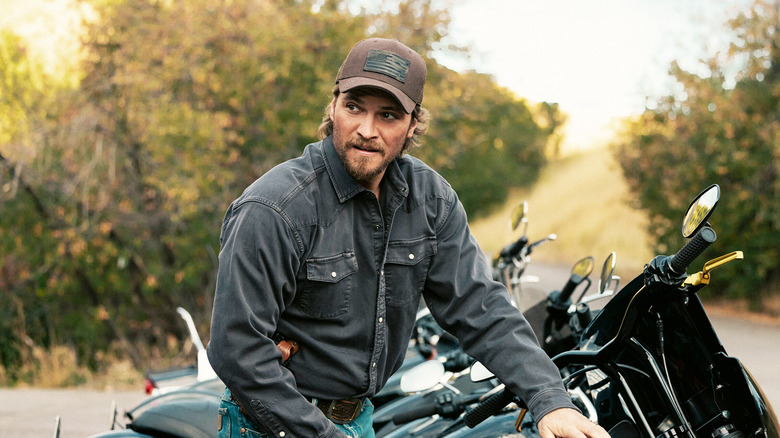
Episode 6 exemplified this with the intense undercover mission led by Belle. Her work against a dangerous motorcycle gang didn’t just involve physical danger; it forced her to confront the psychological toll of stepping into another identity. Her transformation—meticulously performed but emotionally taxing—demonstrated that law enforcement in this universe isn’t just a battle of brawn. It’s about navigating deceit, trust, and moral compromise. In a way, Marshals is holding up a mirror to Yellowstone, asking the audience to consider what happens when the Dutton-style tactics of the past are applied under scrutiny and accountability.
At the same time, the show is deepening character relationships in ways that challenge the old formula. For instance, the growing dynamic between Belle and Cal introduces subtle but profound ethical dilemmas. As their partnership evolves, so does the tension between personal feelings and professional responsibilities. It’s a clear evolution from Yellowstone, where emotional arcs were often secondary to dramatic action. Here, Marshals is balancing the thrill of suspense with the weight of human emotion, reinforcing that decisions carry consequences beyond immediate survival.
Another critical element is the operation to rescue trafficking victims, which has become central to the current arc. In Yellowstone, extreme violence was often depicted without showing long-term trauma for those involved. Marshals changes that. The imagery of the victims, the psychological strain on the team, and the reality of unfinished missions underscore a theme that Yellowstone only hinted at: that darkness breeds consequences, and the human cost of power games is far-reaching. While Casey and the team are achieving victories, the incomplete rescue—33 victims remain unaccounted for—reminds the audience that moral compromises are never without consequence.
Episode 6 also raised questions about authority and oversight. Casey’s aggressive actions highlight the same reckless tendencies that the Duttons displayed, but now under a framework where such choices could have legal or professional repercussions. The show is asking viewers to confront the ethical implications of the power fantasy that Yellowstone normalized. Who gets to enforce justice? And at what cost? These questions resonate in a spinoff that is self-aware about its roots while striving to chart a more responsible narrative course.
Moreover, Marshals is not shying away from teasing the audience with suspenseful developments. The looming threat to a federal judge and her family in Episode 7 promises to push the team into even murkier moral territory, testing both their skills and their conscience. This storyline mirrors the high-stakes tension of Yellowstone but reframes it: survival alone isn’t enough. The choices they make, the way they handle personal and professional boundaries, and the consequences of action—or inaction—now take center stage.
Ultimately, Marshals serves as both a continuation and a critique of Yellowstone’s darker impulses. It honors the tension, drama, and character depth that made the original series a hit while shining a light on the cost of the very darkness it popularized. By confronting these moral and emotional consequences head-on, the spinoff is transforming the franchise, proving that storytelling in this universe can evolve while still delivering the action and intensity fans crave.
In a world that Yellowstone built on fear, loyalty, and unchecked aggression, Marshals asks a vital question: what happens when those same principles are held accountable? Episode 6 is just the beginning, but it’s already clear that this spinoff is tackling its legacy head-on, blending suspense, emotional depth, and ethical complexity in a way that challenges both the characters and the audience.