
Newcomer Kian Faces Harsh Reality as Ambulance Chaos Forces Him to Grow Up Fast
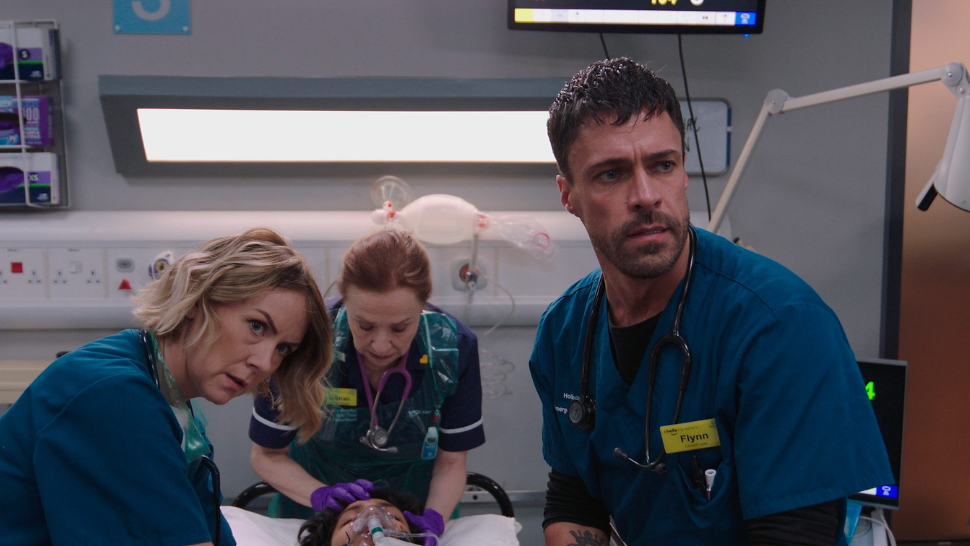
Holby City’s Emergency Department has always been a crucible for intense drama, but this week on Casualty, it is the untested optimism of a new recruit that is pushed to its breaking point. Kian, the fresh‑faced call centre operator whose first weeks on the job have been filled with nerves and bright‑eyed enthusiasm, finds himself thrust into a harrowing situation that no training manual could have prepared him for.
From the moment Kian arrived in Holby, he has been something of a breath of fresh air — polite, earnest and keen to prove himself. His early shifts were marked by minor missteps and awkward moments that made viewers smile at his inexperience as much as they rooted for his growth. Yet all of that changed in an instant when a desperate father, consumed by grief and misunderstanding, stormed the ambulance station in search of answers.
Joel, the grieving parent whose premature baby had tragically died, burst into the control room in a violent outburst that changed everything. Blaming the ambulance service for delays, he assaulted veteran paramedic Teddy Gowan and commandeered the station’s call centre, pushing Kian — who had only just begun to learn the ropes — into a terrifying real‑world emergency. What was supposed to be a first step into a rewarding career became a moment of survival and crisis that forced Kian to confront the raw, unfiltered realities of life on the frontline.

Trapped alongside seasoned professionals like Jan and Indie, Kian could only watch as tension mounted and fear spread through the control room. The panic was not just about being held hostage — it was the bitter collision of personal grief with institutional responsibility, and in that pressure cooker, Kian’s inexperience was laid bare. His breathing quickened, his hands shook, and for the first time on screen the audience saw the veneer of composure crack.
Despite the chaos, though, something remarkable began to happen. As the outside world watched helplessly through the glass doors, Kian found himself instinctively trying to soothe his colleagues, to communicate with Jesse, and to make sense of a situation spiralling out of control. He wasn’t perfect — far from it — but his support of Jan and Indie in those moments revealed an unexpected spark of resilience and empathy that viewers had barely seen in his earlier scenes.
The emotional weight of his first major crisis was compounded when the situation grew even more dangerous, and a colleague was seriously injured. Faced with screams, confusion and uncertainty, Kian was no longer the bright‑eyed recruit at a desk. He was an essential member of a team struggling to survive under conditions no recruit should ever have to face.
For many fans, this was a defining moment for Kian’s character — not because he saved the day, but because he was there in the midst of it, reacting with genuine terror, genuine care, and a bravery that came not from training but from instinct. Social media has been awash with praise for the way the character was portrayed, with one viewer noting, “Kian’s fear was real — it hit us just as hard as it hit him.” Another wrote, “Seeing him go from green recruit to someone who stepped up in crisis was powerful.”
What makes Kian’s journey compelling is not only the peril he experienced, but the emotional realism woven into his reactions. He shook, he faltered, he didn’t know the right thing to say — and that very human response is precisely what made his arc so relatable. Suicide resilience and professional confidence are often forged in the crucible of crisis; in a sense, viewers watched a character become someone different — someone stronger — simply by enduring the unendurable.
His growth also casts new light on the dynamics within the ED. Through Kian’s eyes, the audience gets a fresh perspective on the discipline, resilience and emotional fortitude required of ambulance call operators and first responders. More seasoned characters like Jan and Indie were forced to acknowledge his presence not as a rookie but as a partner in a shared trauma, and that shift in regard carries emotional significance for the storytelling moving forward.
Yet perhaps the most important takeaway from Kian’s experience is the way it ripples into his future trajectory. He may have entered Holby City with questions and uncertainty, but he is leaving this crisis with something much harder won: a brutal introduction to life’s unpredictability and the confidence that he can stand when the world threatens to buckle around him.
This storyline also reflects the show’s broader commitment to portraying the human cost of emergency work — not simply the adrenaline and medical procedures, but the psychological weight that every member of the team carries. For every seasoned clinician and experienced paramedic, there are new recruits like Kian who must learn not just how to do the job, but what it means to be there when people’s worst fears collide with the reality of medical limitations and heartbreak.
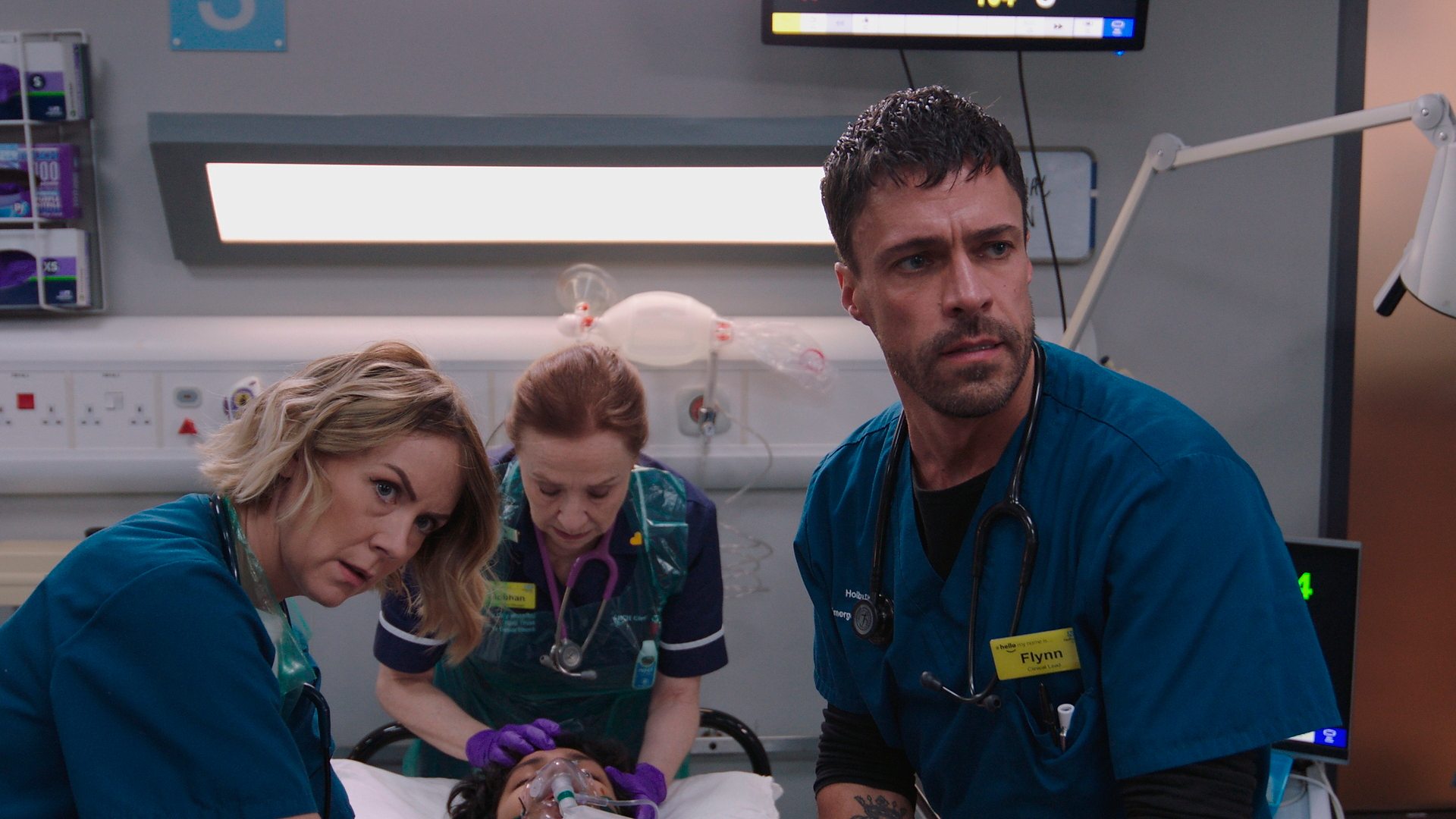
As the Learning Curve arc continues, all eyes are now on how this defining moment will shape Kian’s confidence, his relationships with colleagues, and his place in the team. Will this traumatic introduction make him withdraw? Or will it be the crucible that forges him into a reliable, compassionate member of Holby’s ED?
Tune in to BBC One and BBC iPlayer to follow Kian’s journey, and watch as the fresh recruit begins to evolve into someone very different from the call centre novice we met weeks ago. In the unforgiving world of Holby City’s Emergency Department, it is never just about saving others — it’s also about finding the strength to stand in the face of fear.