
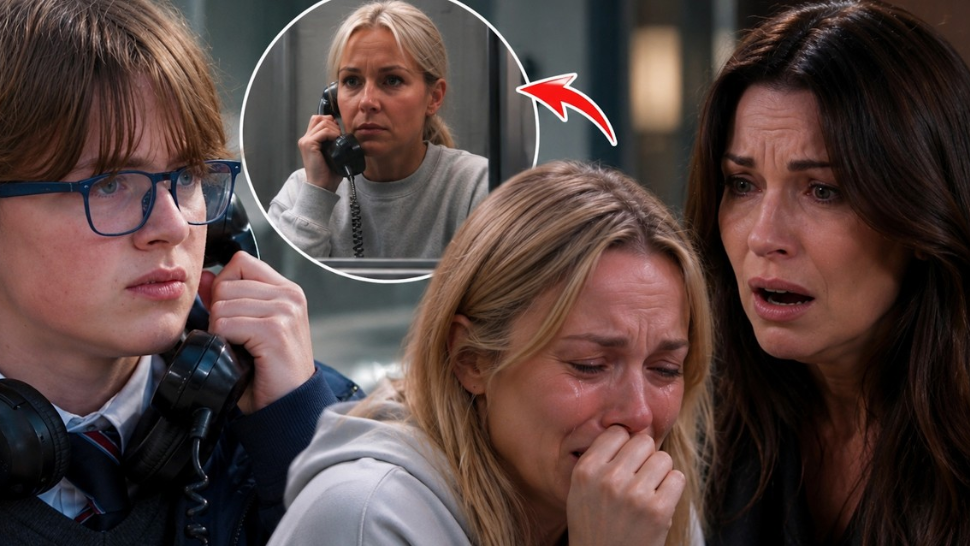
“ONE CALL FROM MEGAN CHANGES EVERYTHING!” Will Finally Turns Against Megan — Is Her Game Over?
Weatherfield has been gripped by one of Coronation Street’s most intense and unsettling storylines in recent memory as Megan Walsh stands trial for the abuse of young Will Driscoll. From manipulative courtroom tactics to shocking family interference, the trial has laid bare the devastating psychological impact of grooming, leaving viewers on edge and questioning the fragility of justice on the cobbles.
Megan Walsh: Master Manipulator
Since her introduction as Will’s sports coach late last year, Megan has proven herself to be a master manipulator, blurring the lines between authority, trust, and deceit. What began as a seemingly innocuous teacher-student relationship quickly escalated into an emotionally abusive dynamic, expertly concealed beneath her professional veneer.
The first character to uncover Megan’s manipulations was Sam Blakeman, whose courageous attempts to expose the truth were repeatedly thwarted. Megan’s relentless psychological tactics left Sam hospitalized, illustrating just how calculated and damaging her behavior has been. Even Will, the central victim, struggled under Megan’s coercion, ultimately standing on the witness stand to testify—a moment that would push him to his breaking point.
The Courtroom Tensions
The trial has been a study in tension, manipulation, and fractured loyalties. When Will took the stand, his anxiety and fear were palpable. Despite months of abuse, he initially claimed there had never been a sexual relationship, insisting Megan was merely his coach. This shocking testimony left both the Driscolls and the audience stunned, highlighting the insidious psychological control Megan wielded.
Adding to the pressure, Megan enlisted the support of her mother, Janine Walsh, who confronted Will outside the courtroom. Her intervention, questioning whether Megan truly deserved punishment if she “truly loved” him, exemplified the toxic family dynamics that often perpetuate cycles of abuse. By introducing this external pressure, the storyline underlined the complex emotional manipulation victims can face even from those meant to protect them.
Meanwhile, defense solicitor Adam Barlow expertly exploited moments of vulnerability from Will’s father, Ben Driscoll, questioning whether the family’s move from Hull had contributed to Will’s erratic behavior. Megan’s strategic courtroom presence capitalized on these cracks, presenting herself as the supportive figure while subtly shifting blame onto Ben. The court became a stage for psychological warfare, with Megan’s steely gaze and cold calculations leaving viewers horrified.
Ben Driscoll: A Father Under Siege
Ben’s testimony was a pivotal moment in the trial. A former rugby player and steadfast father, he struggled to maintain composure as Megan systematically undermined his credibility. Her allegations painted him as overbearing and insensitive, exaggerating the pressures of his expectations for Will and twisting the truth to make herself appear sympathetic.
The emotional strain reached a climax when Megan claimed that Will had confided suicidal thoughts to her—an outright fabrication designed to manipulate both jury and family. Ben, incensed, reacted vocally in court, leading to his removal from proceedings. The tactic worked: by eliciting anger from the father, Megan further cemented her narrative of being the sole source of support, leaving the jury to interpret the family as dysfunctional while she positioned herself as the victim.
Will’s Confession: Seeking Truth Amid Chaos
The turning point came when Will, overwhelmed by guilt and confusion, confided in family friend Tim Metcalfe. Admitting that his initial testimony had been a lie and that Megan’s abuse was real, Will’s confession provided a glimpse of clarity. Yet the timing raised critical questions about its impact on the legal proceedings: could the prosecution restore credibility to the case after the misleading statements already presented? The narrative tension here underscores the long-lasting trauma grooming inflicts on victims, who often feel compelled to protect their abuser even at great personal cost.
Psychological Depth and Real-World Resonance
Coronation Street has collaborated with organizations such as Barnardo’s to ensure this storyline accurately reflects the complexity of grooming and manipulation. The plot highlights how predators exploit trust, distort reality, and co-opt even family members to shield themselves from accountability. By placing viewers directly in the Driscolls’ emotional turmoil, the show offers a compelling, realistic portrayal of the lasting damage caused by abuse.
Megan’s manipulation has left multiple layers of collateral damage: Will’s innocence and confidence are shattered, Ben’s integrity and reputation have been publicly questioned, and the wider community—including friends and neighbors—is drawn into the psychological fallout. This ripple effect demonstrates the show’s mastery of intertwining personal trauma with larger narrative stakes, keeping viewers emotionally invested.
Subplots Heighten Drama
While the trial dominates the cobbles, secondary storylines intensify the emotional texture of the series. Obby deals with a hazardous living situation as black mold in her flat endangers her son, Alfie, revealing Idris as the negligent landlord—a storyline that echoes the theme of abuse of power and responsibility.
Meanwhile, Hope and Ruby enact a secret plan for Tyrone, providing lighter intrigue amidst the courtroom tension. These intertwined narratives showcase Coronation Street’s ability to balance intense psychological drama with ongoing domestic and community storylines, creating a rich, immersive experience for viewers.
The Verdict Approaches
With the jury set to deliver their decision this Friday, anticipation is at a fever pitch. The community watches anxiously, aware that Megan’s manipulative prowess could influence the outcome. Fans are left questioning whether justice will be served, or if a skilled predator could exploit legal and psychological loopholes to escape accountability.
The storyline also poses profound questions about the capacity for healing. Even if Megan is convicted, the Driscolls—and especially Will—must navigate the lasting scars of manipulation, public scrutiny, and shattered trust. Coronation Street deftly illustrates that legal resolution is only one aspect of recovery; psychological and familial rehabilitation are equally crucial.
Viewer Reactions
Social media has exploded with divided opinions. Some fans commend the show for its unflinching depiction of grooming and psychological manipulation, praising the nuanced performances of Charlie de Melo (Ben), Sam Alexander (Will), and Martha Cope (Janine). Others express frustration at the potential for a not-guilty verdict, emphasizing the emotional stakes and fearing Megan could continue her predatory behavior if acquitted.

The storyline has sparked important conversations about child protection, parental responsibility, and the challenges of navigating legal and emotional complexities in cases of abuse—underscoring the enduring relevance of Coronation Street as a social commentary platform.
The Megan Walsh trial is more than a courtroom drama—it is a masterclass in psychological storytelling, exploring manipulation, guilt, and the enduring impact of trauma. With the verdict imminent, Weatherfield holds its collective breath, and viewers are left grappling with questions of justice, morality, and the lasting consequences of one person’s actions on an entire family.
Whether Megan will face accountability, or continue to exploit the vulnerable, remains to be seen. For now, the Driscolls—and audiences—are caught in a suspenseful, emotionally charged narrative that demonstrates Coronation Street’s unparalleled ability to combine real-world relevance with gripping entertainment.
Coronation Street airs weeknights at 8:30 p.m. on ITV1 and is available to stream on ITVX.