

Shock! Curtis’ prison gamble could let Isaiah raise his baby instead | General Hospital Spoilers
Curtis Confronts A Life-Altering Decision
Port Charles is gripped by tension as Curtis faces a dilemma that could define both his future and his role as a father. Following a heated altercation at Metro Court Gardens where Curtis struck Isaiah, the fallout threatens to derail everything he has built. Now, with assault charges looming, Curtis must decide whether to accept a plea deal that would see him serve six months behind bars or gamble on a courtroom fight that risks years of incarceration.
The stakes extend far beyond legal consequences. Curtis’ decision carries profound personal ramifications: missing milestones in his newborn child’s life, straining his relationships with Porsha and Trina, and potentially allowing Isaiah to step in as the consistent presence Curtis cannot provide. This storyline highlights General Hospital’s ability to blend high-stakes drama with deeply human emotional conflicts, where one impulsive choice reverberates across family, career, and legacy.
The Emotional Weight of Fatherhood
Curtis’ internal struggle is magnified by the realization that crucial moments in his child’s early life may pass without him. The first smiles, first cries, and quiet bonding moments are irreplaceable, and the thought of missing them fuels his anxiety. Even a short six-month sentence would force him to relinquish influence over these formative months, leaving Isaiah as the one guiding and supporting the newborn—a scenario that gnaws at Curtis’ sense of responsibility.
The narrative brilliantly explores the tension between justice, accountability, and parental instinct. Curtis is torn between protecting his professional reputation and preserving intimate, fleeting moments that define fatherhood. The series frames this decision not just as a legal dilemma but as a moral and emotional crucible, asking viewers to consider what true responsibility entails.
Porsha Spencer’s Fierce Advocacy
Complicating matters further, Porsha is resolute in her opposition to Curtis accepting the plea. Her stance at the recent baby shower crystallized the tension, highlighting her commitment to justice and her fear that a guilty plea could permanently damage Curtis’ reputation. Her intensity also brings the risk of straining their relationship, as Curtis balances her concerns against the desire to remain present for his family.
This dynamic exemplifies General Hospital’s signature storytelling: even love and loyalty are tested under extreme circumstances. Porsha’s determination underscores the high emotional stakes and forces Curtis to weigh familial expectations against legal pragmatism, amplifying the narrative tension for viewers.
The Trial of Temper: Curtis vs. Impulse
Curtis’ predicament stems from a single, impulsive act—a punch delivered in anger toward Isaiah. That brief moment of loss of control has set into motion a cascade of consequences. The show highlights how one decision, fueled by emotion, can create far-reaching ripple effects across multiple lives.
This storyline explores the nuances of self-control, accountability, and foresight. Curtis must navigate the precarious intersection of personal pride, professional integrity, and familial duty. General Hospital expertly portrays how impulsive decisions have consequences that extend far beyond the initial act, giving the audience an intimate look at character evolution under pressure.
Ripped Between Legal Strategy And Personal Stakes
ADA Justine Turner’s plea offer presents an ostensibly practical solution: six months in prison to limit disruption. Yet Curtis faces a moral and emotional dilemma: surrender now and protect his family from immediate upheaval, or fight to preserve his career and risk lengthier incarceration. Every option carries profound consequences, affecting his relationship with Trina, Porsha, and the newborn, and creating tension that permeates the Falconeri household.
The storyline emphasizes that legal outcomes are inseparable from personal consequences. Curtis’ deliberation offers a nuanced examination of human decision-making under pressure, reflecting the show’s commitment to portraying authentic, layered character experiences alongside traditional soap opera suspense.
The Implications of Absence: Isaiah’s Role
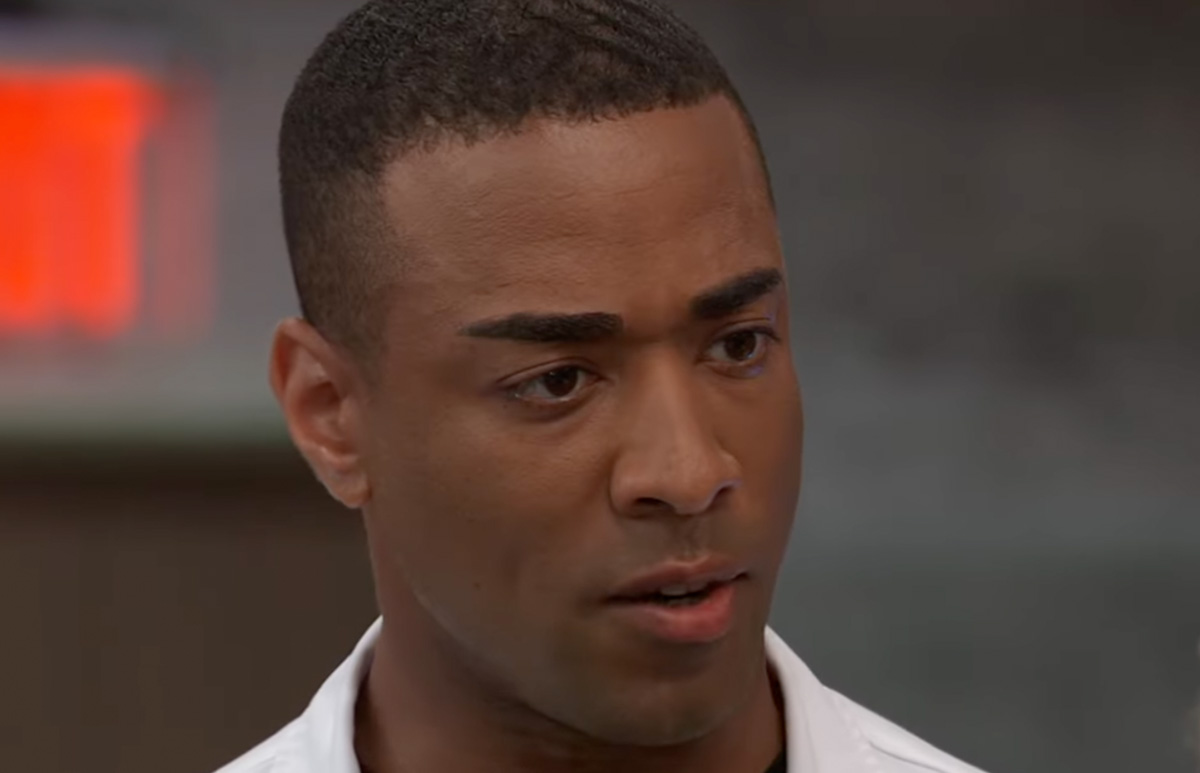
A particularly dramatic dimension is the specter of Isaiah stepping in while Curtis is incarcerated. Even unintentionally, Isaiah’s consistent presence in the baby’s life could eclipse Curtis’ influence during critical developmental milestones. The show cleverly heightens suspense by illustrating that Curtis’ choices may cede not just control, but a portion of fatherhood itself, adding emotional depth to a storyline that balances crime, law, and family drama.
This tension between parental presence and absence resonates deeply, showing how consequences of a single act extend far beyond the immediate courtroom or jail cell. Curtis’ anxiety over missing milestones adds human stakes that elevate the drama beyond legal thriller into a personal, relatable conflict.
Trina Caught In The Crossfire
Trina Falconeri’s perspective further intensifies the narrative. Her struggle to navigate her father’s predicament while focusing on her art exhibition highlights how children often bear the weight of adult decisions. Trina’s emotional journey adds additional depth to the storyline, emphasizing that Curtis’ actions have ripple effects that extend to the next generation, a hallmark of the show’s layered storytelling approach.
By focusing on Trina, the series explores family resilience, generational impact, and emotional stakes, making viewers deeply invested in both Curtis’ fate and the broader Falconeri family dynamics.
Balancing Pride And Practicality
Curtis’ internal conflict is further complicated by his pride. A man of integrity and principle, he struggles with the idea of admitting guilt for an impulsive act, even to mitigate consequences. The storyline masterfully portrays the tension between emotional impulse and calculated decision-making, illustrating that courage is often as much about restraint as it is about action.
The series challenges viewers to empathize with Curtis’ predicament, highlighting the complex interplay of emotion, morality, and consequence. The audience is invited to consider: when personal stakes collide with legal realities, how does one balance pride with pragmatism?
Ripple Effects Across Port Charles
Curtis’ situation does not exist in isolation. The legal and familial implications of his choice reverberate across Port Charles, intersecting with ongoing storylines involving Willow Cain, Brook Lynn Quartermaine, and other residents. Each decision Curtis makes influences not only his immediate family but the broader community, demonstrating General Hospital’s skill in creating interwoven narratives that feel organic, consequential, and suspenseful.
The potential outcomes of Curtis’ decision—plea deal or trial—carry high stakes for every connected character, ensuring that viewers remain emotionally engaged while anticipating the next twist.
Consequences, Sacrifice, And Redemption
As the storyline unfolds, Curtis’ dilemma serves as a powerful exploration of consequence, sacrifice, and the true meaning of fatherhood. His choice—accepting the plea or fighting the charges—will determine his presence in his child’s life, the integrity of his relationships, and the trajectory of his personal and professional future.
General Hospital continues to deliver compelling drama by placing characters at moral and emotional crossroads, forcing them to confront difficult truths and navigate the fallout of their actions. Curtis’ story is a poignant example of the series’ enduring ability to blend suspense, emotional depth, and character-driven storytelling, leaving viewers on the edge of their seats while exploring timeless themes of responsibility, love, and redemption.