
Solo Travel Safety: 50+ Proven Tips to Keep You Safe
Traveling alone can be one of the most empowering and rewarding experiences. It gives you complete freedom to explore the world on your own terms. But with that freedom comes responsibility—especially when it comes to safety.
The key to solo travel safety isn’t fear. It’s preparation, awareness, and smart decision-making. With the right mindset and strategies, you can prevent most problems before they happen and confidently handle unexpected situations.
This guide covers practical, proven tips to help you stay safe before and during your trip.
Why Solo Travel Safety Matters
When you travel alone, you don’t have someone watching your back. That’s why prevention is your best defense. By planning ahead and staying alert, you reduce risks and create a smoother, more enjoyable travel experience.
Plan Smart Before You Go
Safety starts long before you leave home. The more you know about your destination, the better prepared you’ll be.
Research your destination thoroughly. Learn about local customs, currency, safe neighborhoods, and common scams. Understanding these basics can help you avoid risky situations.
Choose your destination wisely based on your experience level and comfort. Some places are more beginner-friendly for solo travelers than others.
Check your government’s travel advisory website for entry requirements, safety updates, and health recommendations.
Buy travel insurance before your trip. It protects you against unexpected issues like medical emergencies, cancellations, or lost belongings.
Plan your arrival during daylight hours. It’s easier to navigate unfamiliar places and assess your surroundings when it’s light out.
Know how you’ll get from the airport to your accommodation. Research transportation options in advance to avoid confusion or unsafe choices.
Study a map of your destination. Familiar landmarks and layout knowledge can help you stay oriented if you get lost.
Pack Safety-Focused Travel Gear
The right gear can add an extra layer of protection without complicating your trip.
Carry a secure way to store money, such as a hidden pouch or money belt.
Choose anti-theft bags with lockable zippers and slash-resistant materials.
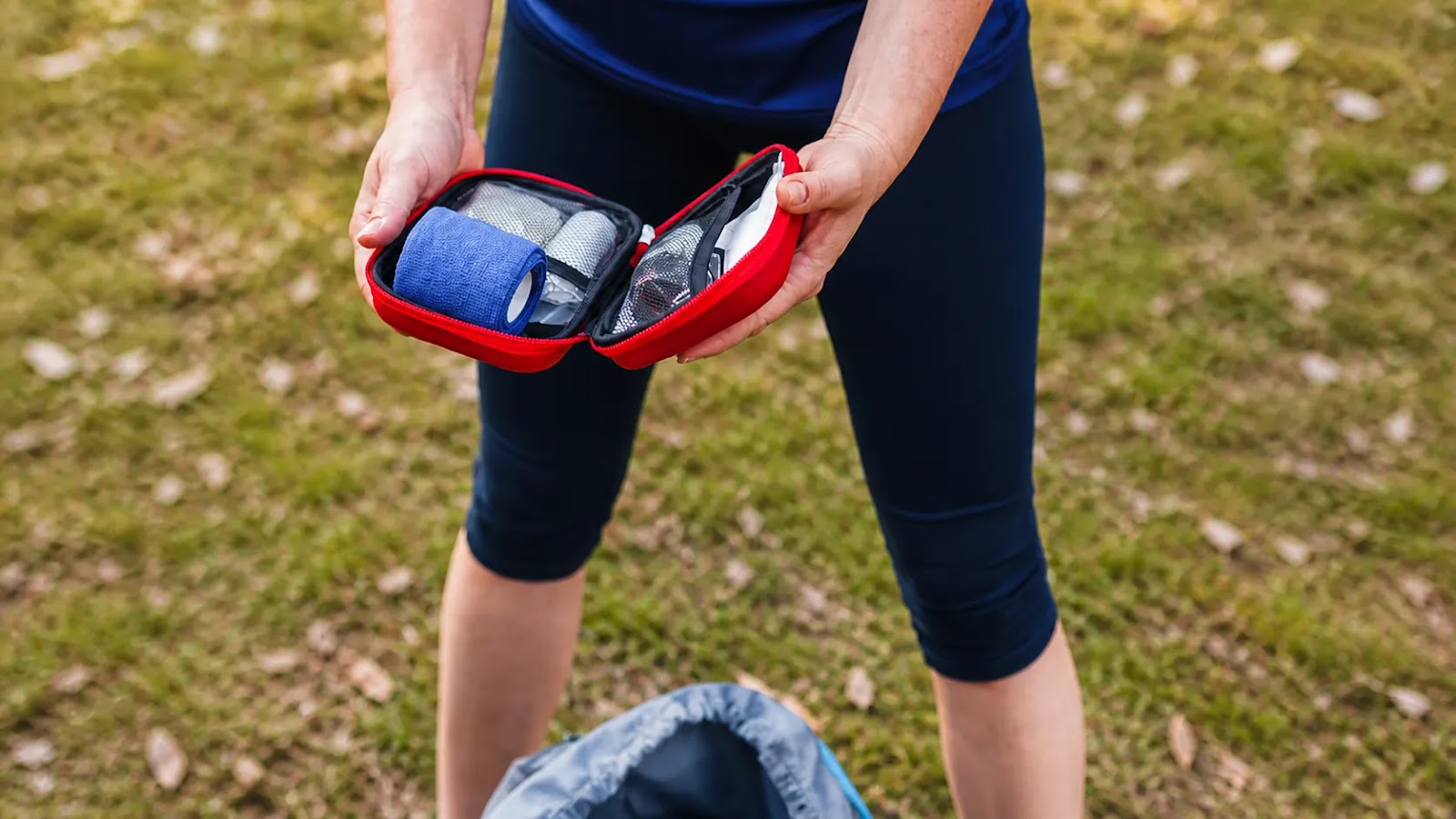
Bring a basic first-aid kit with essentials like bandages, medication, and sanitizer.
Use RFID-blocking wallets to protect your cards from digital theft.
Pack a doorstop or portable lock for extra security in accommodations.
Carry a whistle or personal alarm to attract attention if needed.
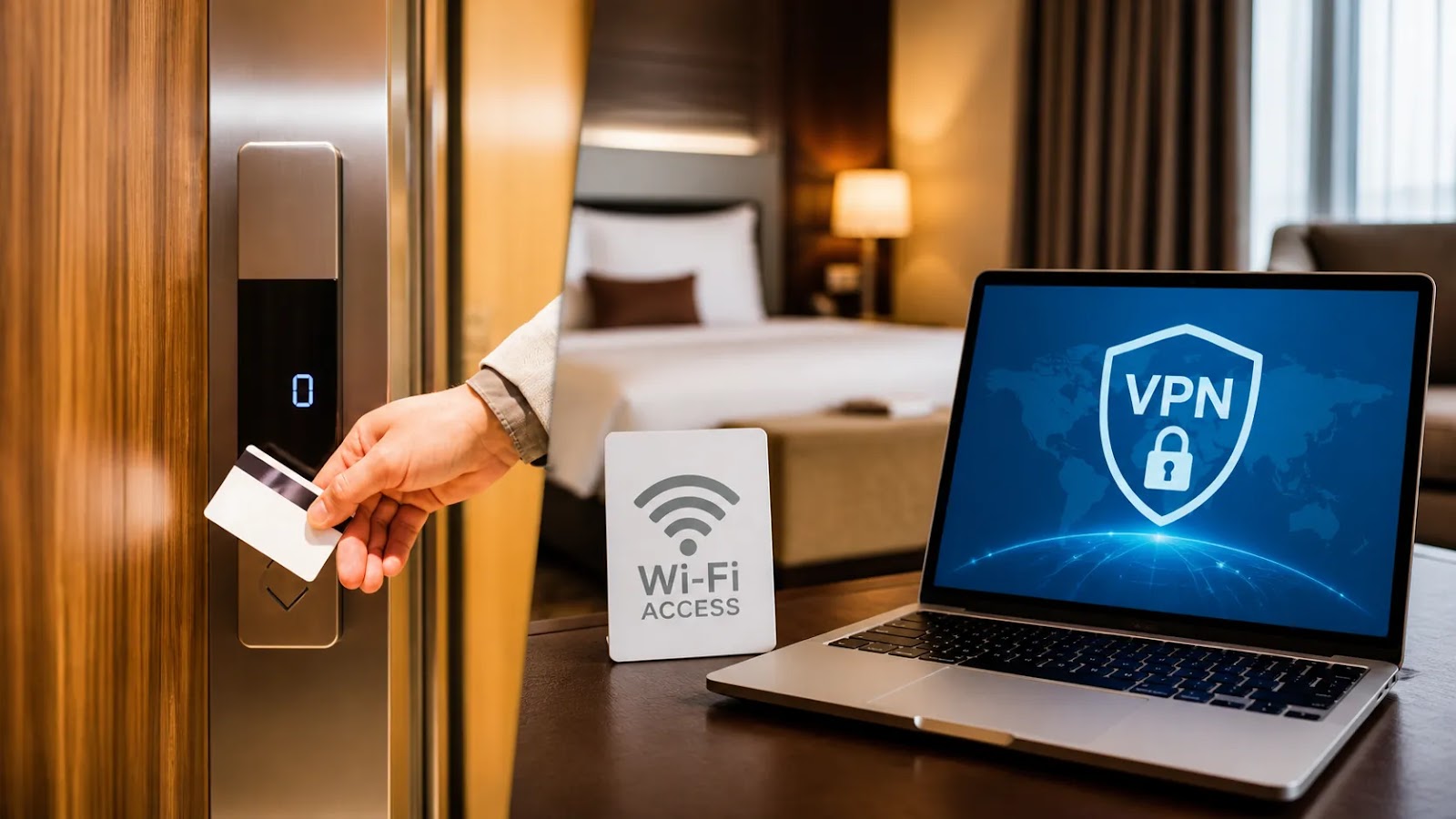
Install a VPN on your devices to protect your data when using public Wi-Fi.
Keep Your Money and Documents Safe
Losing money or important documents can quickly turn a trip into a nightmare. Take precautions to minimize risk.
Avoid carrying large amounts of cash. Withdraw smaller amounts as needed.
Use credit cards that don’t charge foreign transaction fees.
Always carry a backup card in case one is lost or doesn’t work.
Keep emergency cash hidden in a separate location.
Leave unnecessary documents at home. Only bring what you truly need.
Make digital and physical copies of your passport, ID, and travel documents.
Store copies in multiple places, including online and with someone you trust.
Use Technology to Stay Safe
Technology can be one of your strongest safety tools when used correctly.
Use a VPN when accessing sensitive information on public networks.
Save important phone numbers, including your accommodation and local emergency services.
Download offline maps so you can navigate without internet access.
Use safety apps that allow location sharing or emergency alerts.
Keep your phone charged at all times or carry a portable power bank.
Stay Safe While Traveling
Once you’re on the road, your behavior and awareness play a huge role in your safety.
Trust your instincts. If something feels off, remove yourself from the situation immediately.
Stay in public areas, especially when you’re unsure about your surroundings.
Avoid sharing your accommodation details with strangers.
Stay alert by getting enough rest and limiting alcohol consumption.
Walk confidently and act like you know where you’re going—even if you don’t.
Blend in with local culture by dressing appropriately and observing social norms.
Be polite, but don’t be afraid to be firm if someone is making you uncomfortable.
Avoid displaying expensive items like jewelry, cameras, or electronics.
Keep your belongings close and secure at all times.
Carry only what you need for the day to reduce risk.
Be Aware of Common Travel Scams
Scams target tourists, especially solo travelers. Knowing what to expect can help you avoid them.
Be cautious of strangers offering free items or unsolicited help.
Avoid situations that seem too good to be true.
Research common scams in your destination before arriving.
If someone tries to distract you, stay alert—it could be a setup for theft.
Safety Tips for Accommodation
Your accommodation should be your safe space, so take a few extra precautions.
Choose well-reviewed places with good safety ratings.
Request a room on a higher floor if possible.
Check emergency exits when you arrive.
Use door locks and safes provided by the hotel or hostel.
Avoid opening your door to strangers.
Leave a light or TV on when you go out to give the impression someone is inside.
Navigate Like a Pro
Getting lost can increase your vulnerability, so it’s important to stay oriented.
Carry a map or have offline navigation ready.
Understand the local transportation system before using it.
If you’re unsure, ask for help inside a shop or from official staff rather than strangers on the street.
Keep your accommodation’s address with you at all times.
Take Care of Yourself
Your physical and mental state directly impact your safety.
Take breaks to avoid travel fatigue.
Stay hydrated and eat properly.
Join guided tours occasionally for a more relaxed and secure experience.
Don’t push yourself into uncomfortable situations just to “see everything.”
Final Thoughts
Solo travel is not about avoiding risks entirely—it’s about managing them wisely. With preparation, awareness, and confidence, you can explore the world safely and independently.
The more you travel, the more these habits become second nature. And with each trip, you’ll gain not only experience but also confidence in your ability to handle any situation.
FAQs About Solo Travel Safety
Is solo travel safe for beginners?
Yes, as long as you choose destinations carefully, plan ahead, and follow basic safety practices.
What’s the most important safety tip?
Trust your instincts. If something feels wrong, leave immediately.
How do I protect my valuables?
Use anti-theft bags, avoid carrying too much cash, and keep items in secure, hidden places.
Should I share my location with someone?
Yes, keeping a trusted friend or family member informed about your whereabouts adds an extra layer of safety.
By following these solo travel safety tips, you’ll be able to travel with confidence and enjoy every moment of your journey.