
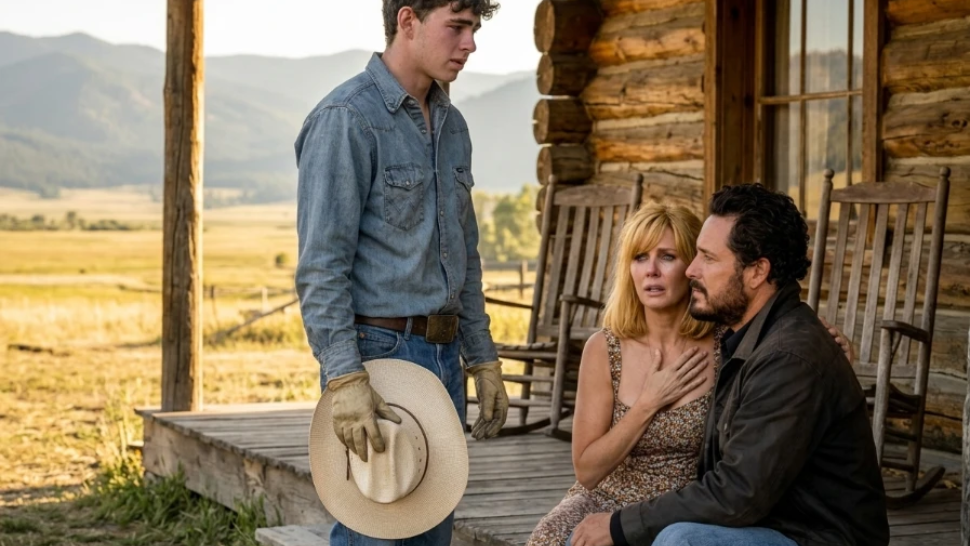
The line that left millions of Yellowstone fans speechless didn’t appear in the final episode, but came from Carter in a moment nobody expected.
The latest episode of Dutton Ranch has left fans grappling with a truth long hinted at across the Yellowstone universe: even the Duttons, masters of survival and land, can lose everything they once held dear. Beneath the Texas sunsets, sprawling cattle drives, and attempts at a fresh start, the Dutton family is emotionally unraveling, and no one embodies that loss more than Carter.
The Quietest Heartbreak
Unlike previous moments of explosive conflict, Episode 3 conveys devastation in silence. There are no gunfights or dramatic confrontations—only a single, framed photograph of Yellowstone itself. This simple image becomes a symbol of everything the family has lost. When Oreana asks Carter the question viewers have long wondered, “You wanna go back?” his quiet, somber reply—“I do. But I can’t”—resonates with a depth of grief that online communities immediately recognized.
Suddenly, Dutton Ranch stops feeling like a story of survival and begins to feel like exile. The relocation from Montana to South Texas was meant to provide a reprieve from the trauma and violence of the original ranch. Instead, it underscores a harsher reality: the Duttons didn’t just move—they lost, and now they must navigate the emotional fallout.
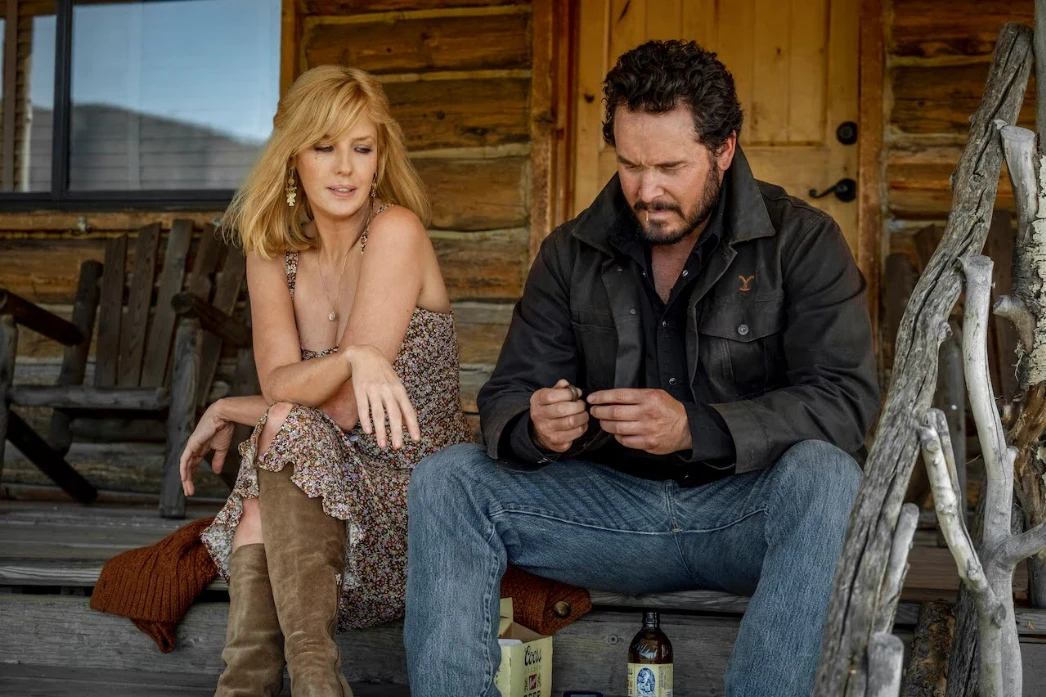
Carter’s Perspective: Lost in a World Between Past and Present
Carter’s experiences make the loss feel particularly poignant. Unlike Beth and Rip, who have lived through the legacy of Yellowstone firsthand, Carter’s formative years were spent within its confines. The ranch was more than property—it was family, purpose, and identity. Raised by Rip through strict lessons and shaped by John Dutton’s guidance, Montana represented the first place where Carter truly belonged.
Now, it exists only in photographs. That emotional void permeates every scene of the episode, illustrating the personal cost of the Duttons’ shattered empire. Carter’s growing connection with Oreana highlights the tension between moving forward and mourning the past. She represents possibility, yet also serves as a constant reminder of what he has lost.
A Universe of Loss
Elsewhere in the Yellowstone world, similar grief echoes. Kayce Dutton holds East Camp in Marshals, yet the camp feels diminished—a fragment of the empire Montana once was. Tate may inherit land one day, but nothing can replace what John Dutton spent his life defending. Across these narratives, Taylor Sheridan forces viewers to confront a stark reality: legacy is fragile. Even families that fight for it may find it slipping away.
Dutton Ranch’s Texas Setting: Beauty Laced With Haunting Loss
The Texas landscapes are stunning, but they carry a different weight than Montana. Hotter, flatter, and emptier, they reflect the emotional emptiness that shadows the family. Beth and Rip may be technically building anew, yet every scene is tinged with nostalgia and melancholy. Fans online have repeatedly remarked, “This doesn’t feel like home anymore,” capturing the deliberate unease Sheridan cultivates in the spinoff.
Grief as Central Narrative
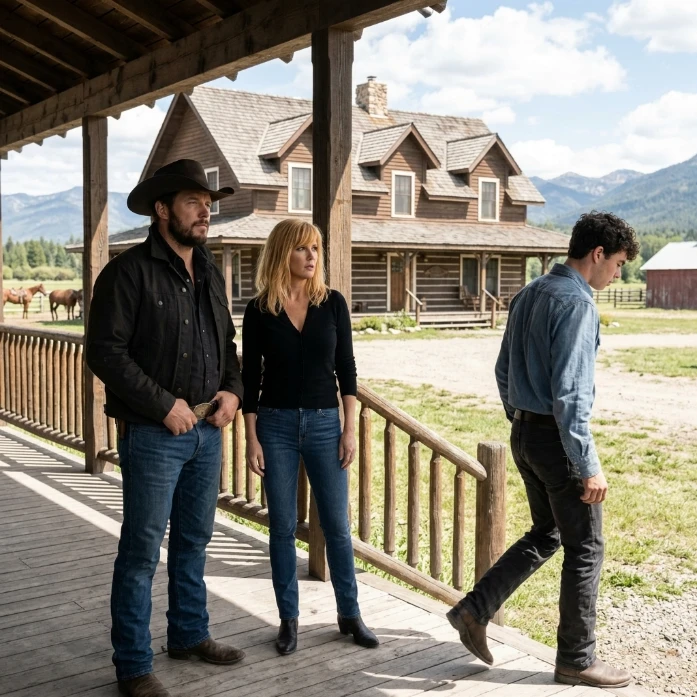
Episode 3 illustrates that Dutton Ranch is not merely about reconstruction. It’s about grief, resilience, and the painstaking effort to continue after irreparable loss. As viewers, we are drawn into the emotional landscape of the characters, mourning alongside them. The show transforms the familiar Western drama into a meditation on survival—not of land or wealth, but of identity, family, and memory.
Through Carter’s homesickness and reflection, Sheridan delivers a message harsher than any action sequence could: some homes cannot be rebuilt, some chapters truly end, and some empires survive only as ghosts haunting those left behind.
Final Thoughts
Dutton Ranch Episode 3 confirms that the Yellowstone universe is not just a saga of land and power—it’s a story of loss, memory, and emotional inheritance. The Duttons’ journey now resonates with the quiet agony of exile, reminding fans that even legends can fall, and that survival sometimes comes with a cost that cannot be measured in acres or cattle, but in hearts and histories lost.