

This Is Why Y&R Fired Josh Griffith, New Writer Starting in July
A Changing of the Guard in Genoa City
After years of navigating both fan adoration and criticism, Josh Griffith’s era as headwriter of The Young and the Restless is officially coming to an end. Industry sources indicate that CBS is aiming to bring in a new headwriter by July, positioning the show to launch fresh storylines in time for its traditional fall reset in late September or early October. While no official replacement has been named yet, the timing and context of Griffith’s departure have sparked speculation among fans, many of whom believe this exit was less a voluntary retirement and more a network-mandated shift.
This transition marks one of the most significant backstage shake-ups in Y&R in recent memory, promising potential revitalization for the daytime drama that has long dominated the ratings.
Fan Backlash: Cast Cuts and Controversial Storylines
One of the most persistent complaints about Griffith’s tenure was the abrupt dismissal of fan-favorite actors. The most notable example is Gina Tognoni, whose Emmy-winning portrayal of Phyllis Summers made her a staple of Genoa City. Her sudden departure sparked outrage among loyal viewers who saw her removal as both unjustified and damaging to ongoing storylines.
Similarly, new characters like Lauren Lots’ Anna Hamilton were introduced with fanfare but quickly faded into obscurity before being written off completely. Fans argue that potential storylines were squandered, leaving audiences frustrated and emotionally disconnected.
Missed Opportunities With Serious Themes
Griffith’s time at the helm also drew criticism for how sensitive topics were handled. From mental health issues to character-driven crises, there were multiple opportunities to tackle complex subjects with nuance, yet many plots either fizzled or devolved into superficial narrative devices. Rather than exploring authentic character development, some storylines felt like props for shock value, leaving viewers unsatisfied and disconnected from the emotional stakes.
The Overuse of Kidnappings and Shock Twists
Another point of contention among fans was the over-reliance on abductions and extreme plot twists. Under Griffith, kidnapping plots became a recurring trope, often overshadowing more organic character development. Long-time viewers note that when a story arc did not include a high-stakes abduction, it almost felt “unusual” in the context of Genoa City’s dramatic landscape.
Perhaps the most controversial storyline of all was the decision to kill off Chance Chancellor. For decades, the Chancellor family has been one of the cornerstones of Y&R, and Chance represented one of the final living links to that legacy. His death not only eliminated a key character but also symbolized a severing of ties with the show’s foundational family history—a choice that still resonates negatively with viewers.
Neglecting Beloved Couples
Griffith’s handling of relationships also drew criticism, particularly the treatment of daytime television’s beloved LGBTQ+ couple, Mariah and Tessa. Fans had invested deeply in their story, yet the characters were continually pushed apart, often in favor of contrived storylines that undermined their authenticity. The decision to pivot Tessa’s romantic arc toward Daniel, despite lingering feelings for Mariah, frustrated a loyal segment of the fanbase who felt the show abandoned its commitment to meaningful representation.
Accusations of Favoritism
Another recurring critique leveled at Griffith was perceived favoritism toward certain characters. Chelsea Lawson, for example, consistently remained at the forefront of major storylines—from her mental health journey to family entanglements with Adam Newman—while other characters were left on the sidelines. This uneven focus created a sense of imbalance within Genoa City, leaving fans questioning the equity of narrative attention and driving some to celebrate the news of Griffith’s exit.
Achievements and Positive Contributions
To be fair, Griffith’s era was not without its accomplishments. He successfully orchestrated the return of Adam Newman, a move widely celebrated by longtime viewers, and integrated Sally Spectra from The Bold and the Beautiful, adding fresh dynamics to Genoa City’s social landscape. Audrey Charles was also introduced as a compelling new character, demonstrating Griffith’s ability to innovate within the show’s long-running framework.
Yet, despite these positive contributions, many fans argue that the overall missteps—ranging from abrupt cast cuts to mishandled storylines—overshadowed these successes.
The Call for a Genoa City Shake-Up
The transition in headwriters is being framed as an opportunity for revitalization. Fans have long voiced their desire for fresh storylines, equitable character focus, and meaningful exploration of family, romance, and moral dilemmas. With Griffith stepping down, there is hope that Genoa City will see a renewed commitment to compelling storytelling that balances legacy characters with new, engaging arcs.
Industry insiders suggest that the next headwriter will be tasked with recalibrating the show, honoring the rich history of Y&R while steering the narrative toward fresh, unpredictable directions.
What Fans Can Expect Moving Forward
With the new headwriter expected to begin in July, there is considerable anticipation about how the shift will impact ongoing storylines. Will we see the return of long-lost favorites? Will the narrative tone become more grounded, with greater emphasis on character development and less on shock-value twists? And perhaps most importantly, will the show repair the fractures left by controversial decisions under Griffith?
This change represents a pivotal moment in daytime television. CBS appears committed to recalibrating Y&R, not just to appease fans, but to ensure the series continues to thrive in an era of evolving audience expectations and increased competition from streaming and digital platforms.
Industry Perspective and Fan Reactions
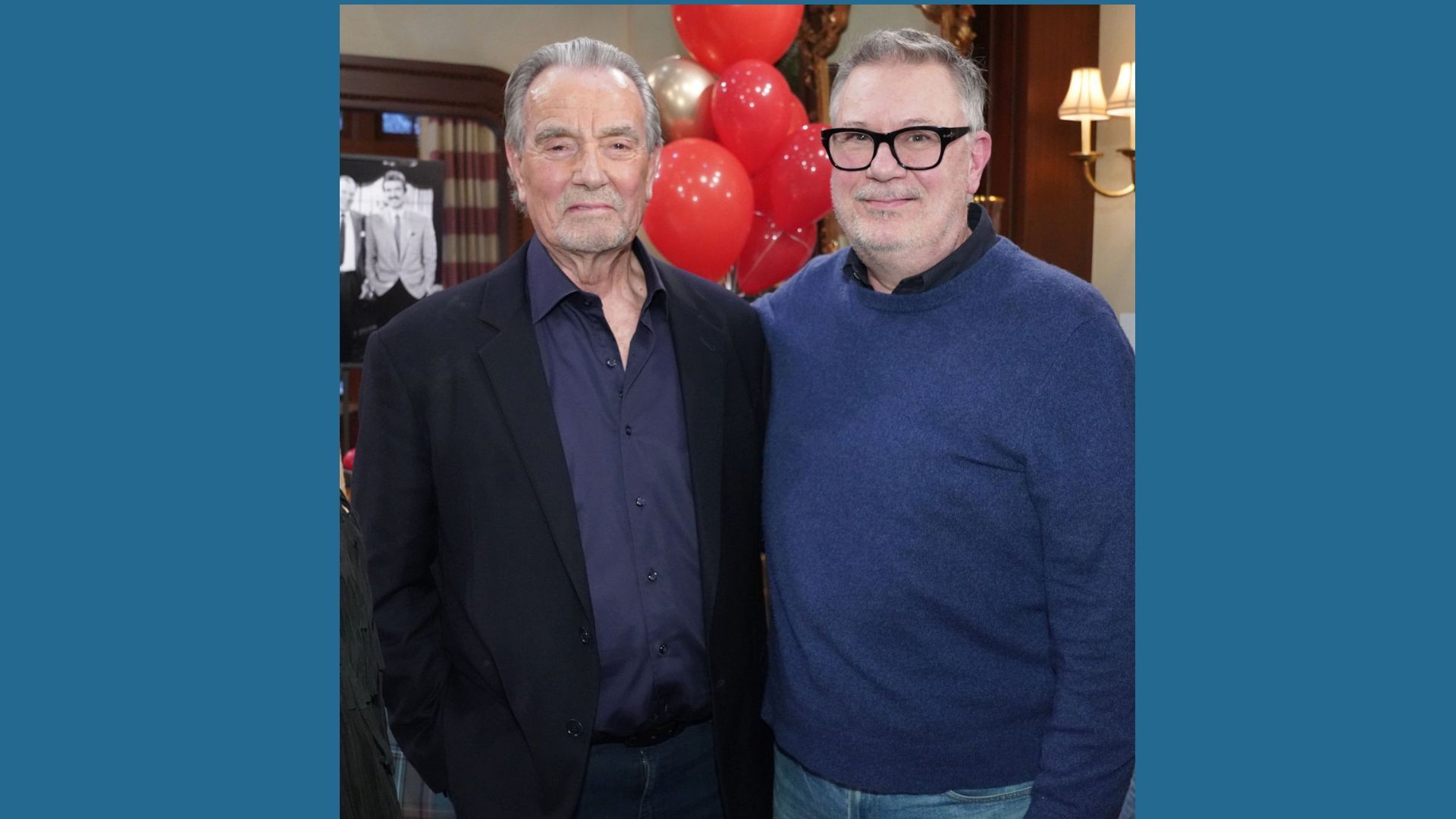
The decision to part ways with Griffith has sparked widespread discussion both on social media and within industry circles. Many fans expressed relief, citing mismanaged storylines and favoritism as ongoing frustrations. Others, however, acknowledged that Griffith did contribute memorable arcs and impactful character moments, highlighting the duality of his tenure.
Critics emphasize that the show’s long-term success depends not just on individual storylines but on a broader editorial vision that balances legacy, innovation, and audience engagement. The upcoming months will be telling in terms of how CBS positions the new headwriter to execute this vision.
A New Era for Genoa City
The end of Josh Griffith’s tenure as headwriter marks a turning point for The Young and the Restless. With a new leader expected in July, Genoa City is poised for a narrative overhaul that promises to address past missteps while reinvigorating its iconic characters.
For fans, the excitement is twofold: the chance to see beloved characters receive the attention they deserve, and the hope that fresh storylines will restore the show’s reputation for innovative, emotionally resonant drama.
As CBS prepares for this transition, viewers are encouraged to engage, speculate, and prepare for a potential renaissance of storytelling in one of daytime television’s most enduring dramas.
The Genoa City saga continues, and with a fresh creative hand at the helm, the stakes—and the drama—are higher than ever.