
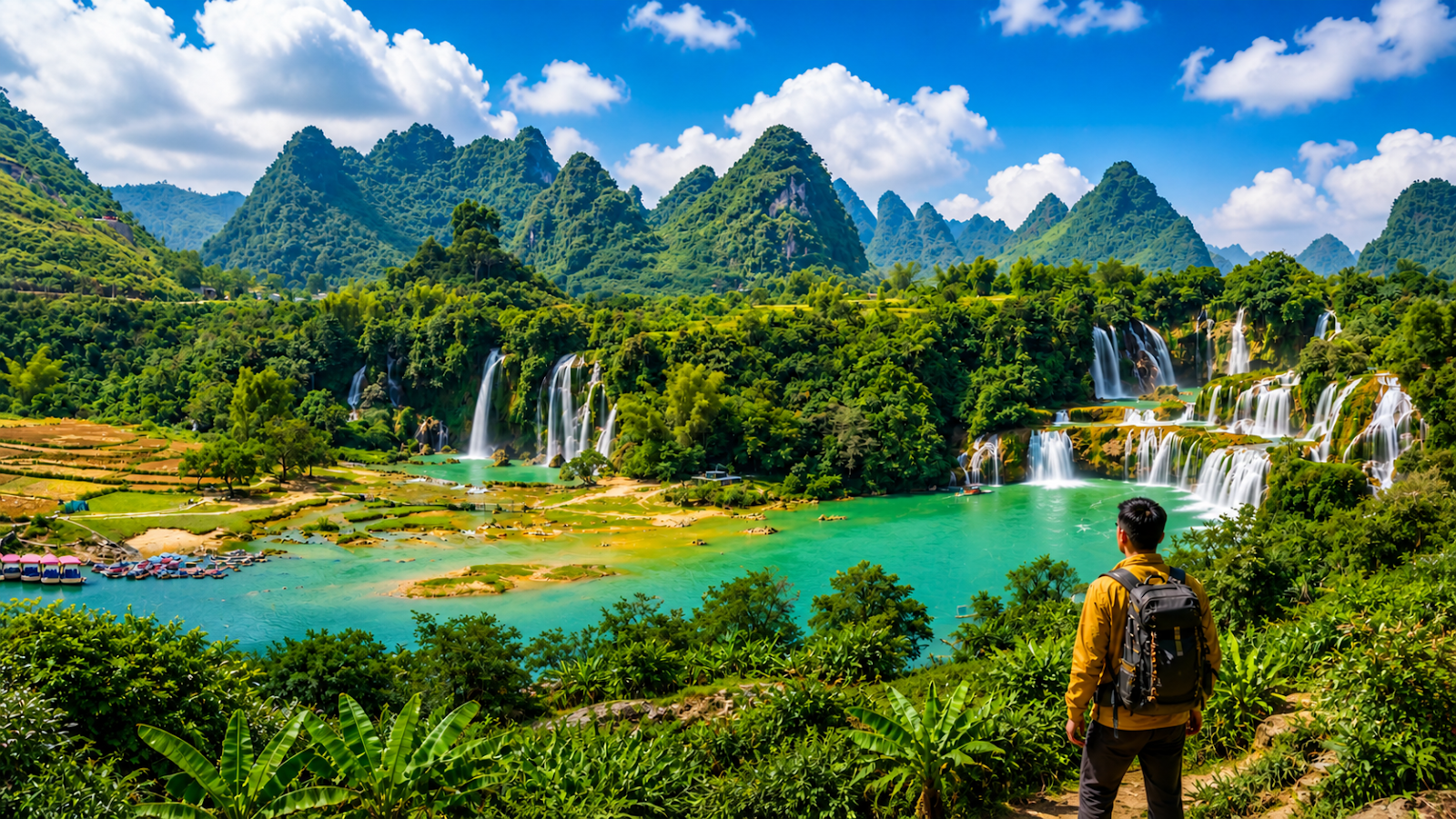
Top 10 Most Beautiful Countries by Natural Scenery (2026 Travel Guide)
Natural beauty has no borders. From glacier-carved mountains and volcanic landscapes to tropical rainforests, endless deserts, and crystal-clear lakes, the world is filled with breathtaking scenery shaped over millions of years. While “beauty” is always subjective, some countries consistently stand out for the diversity and scale of their natural landscapes.
This guide explores the Top 10 Most Beautiful Countries by Natural Scenery, highlighting their geography, unique natural formations, cultural connections to the land, and fascinating hidden gems that make each destination unforgettable.
- New Zealand (103,739 sq mi)
New Zealand may be relatively small in size, but its landscapes feel almost unreal. The country stretches from subtropical beaches in the north to icy glaciers and alpine peaks in the south, creating one of the most diverse natural environments on Earth.
The Southern Alps dominate the South Island, where Mount Cook and Milford Sound showcase dramatic fjords carved by ancient glaciers. Glowworm caves, rainforest waterfalls in the Catlins, and turquoise lakes like Lake Wānaka add to its surreal charm.
Rich in Māori heritage, many natural landmarks hold cultural and spiritual significance. Volcanoes such as Mount Ngāuruhoe are deeply rooted in indigenous mythology, while conservation efforts protect rare species like the kiwi bird.
New Zealand is also a paradise for adventure travelers, offering hiking, kayaking, skydiving, and some of the most scenic road trips in the world.
- Canada (3,855,100 sq mi)
Canada is one of the largest countries on Earth, defined by vast wilderness, endless forests, and pristine lakes. It holds the world’s largest boreal forest and more freshwater than almost any other nation.
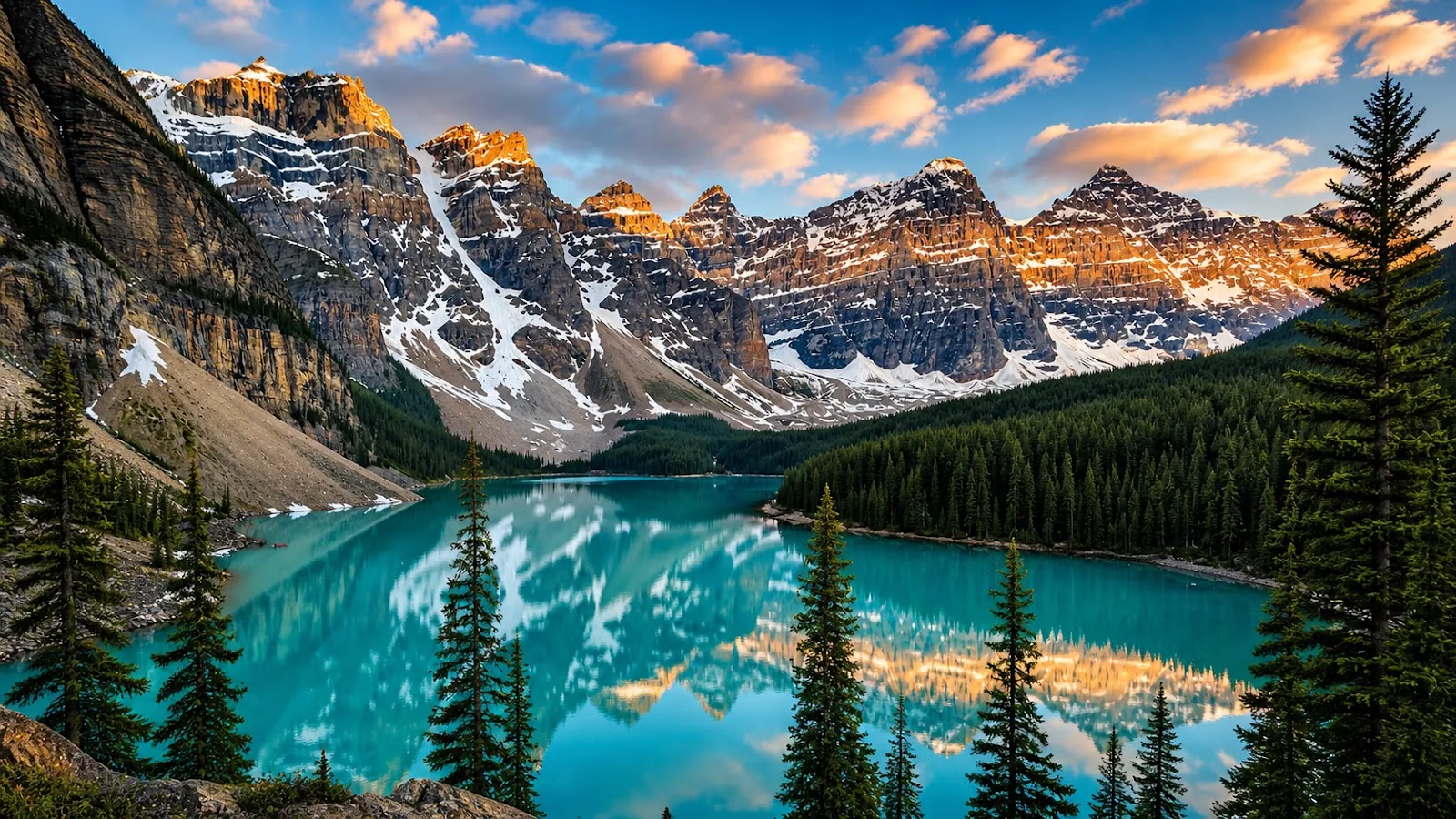
The Rocky Mountains are a highlight, featuring iconic lakes like Moraine Lake and Lake Louise, shaped by ancient glacial activity. In the north, tundra landscapes meet Arctic ice, while coastal regions in British Columbia and Newfoundland reveal dramatic fjords and iceberg-filled waters.
Indigenous cultures have lived across this land for thousands of years, shaping deep connections with nature. Places like the Great Bear Rainforest and Nahanni National Park protect rare ecosystems and wildlife, including spirit bears and migrating caribou.
Canada is a destination where nature feels truly untouched and endlessly vast.
- Switzerland (15,940 sq mi)
Switzerland is a compact country that packs extraordinary alpine beauty into a small area. The Swiss Alps dominate the landscape, featuring iconic peaks like the Matterhorn and Eiger.
Glaciers, alpine meadows, and crystal-clear lakes define the scenery. The Aletsch Glacier, the longest in Europe, slowly shapes valleys below. Traditional villages with wooden chalets and flower-filled balconies preserve centuries-old alpine culture.
The country’s efficient rail system, including scenic mountain trains, allows travelers to experience dramatic elevation changes within hours.
Switzerland is also known for its balance between nature and sustainability, with protected wildlife zones and carefully managed landscapes.
- Norway (148,729 sq mi)
Norway is famous for its dramatic fjords, carved by ancient glaciers into deep, narrow inlets surrounded by steep cliffs. Geirangerfjord and Nærøyfjord are among the most stunning examples.
The country’s Arctic regions offer unique experiences such as the Northern Lights, especially in Tromsø and the Lofoten Islands. Fishing villages sit beneath towering peaks, creating postcard-perfect scenery.
In summer, the midnight sun illuminates endless hiking trails, while winter transforms the landscape into a snowy wonderland.
Norway’s nature is deeply connected to Viking history and modern environmental preservation, making it one of the most scenic and sustainable countries in the world.
- Iceland (40,000 sq mi)
Iceland is a land of fire and ice, shaped by volcanic eruptions and glacial forces. Its dramatic landscapes include lava fields, glaciers, geysers, waterfalls, and black sand beaches.
The Golden Circle route showcases highlights like Gullfoss waterfall and geothermal areas, while Vatnajökull glacier hides stunning ice caves. Volcanic peaks like Snæfellsjökull inspired legendary stories and literary works.
Geothermal energy powers most of the country, making Iceland one of the most sustainable nations globally.
Despite its harsh environment, Iceland’s landscapes feel otherworldly and cinematic, attracting travelers from around the world.
- Chile (291,933 sq mi)
Chile is one of the most geographically diverse countries on Earth, stretching along the western edge of South America.
In the north lies the Atacama Desert, the driest place on the planet, with surreal salt flats and lunar landscapes. The central region is home to fertile valleys and vineyards, while the south reveals glaciers, fjords, and Patagonia’s iconic granite towers in Torres del Paine.
Chile’s long coastline and mountainous spine create dramatic contrasts within a single journey.
Astronomy thrives here due to clear skies, and national parks protect unique wildlife such as guanacos and Andean condors.
- United States (3,797,000 sq mi)
The United States contains nearly every type of landscape imaginable, from Arctic tundra in Alaska to tropical beaches in Hawaii.
Natural wonders include the Grand Canyon, carved over millions of years by the Colorado River, and Yellowstone National Park, home to geysers, hot springs, and diverse wildlife.
The Pacific Northwest offers ancient redwood forests, while Florida’s Everglades preserve unique wetland ecosystems. Alaska adds glaciers, mountains, and vast wilderness, while Hawaii features active volcanoes and lush tropical scenery.
With hundreds of protected national parks, the U.S. offers one of the most complete natural inventories in the world.
- Japan (145,937 sq mi)
Japan’s landscapes are shaped by volcanic activity and mountain ranges that cover most of its islands.
Mount Fuji is the country’s most iconic natural landmark, surrounded by lakes and forests. Seasonal beauty defines Japan, with cherry blossoms in spring and fiery maple leaves in autumn.
The Japanese Alps offer skiing, hiking, and hot spring towns, while islands like Yakushima feature ancient cedar forests shrouded in mist.
Despite its dense population, Japan preserves vast natural areas and national parks that protect wildlife such as macaques and deer.
- South Africa (471,445 sq mi)
South Africa is a land of striking contrasts, where deserts, mountains, coastlines, and savannahs meet.
The Cape Floral Kingdom is one of the most biodiverse regions on Earth, while Table Mountain rises above Cape Town with panoramic ocean views. The Drakensberg Mountains feature dramatic basalt cliffs and waterfalls.
Kruger National Park offers one of the world’s best safari experiences, home to elephants, lions, and rhinos.
Coastal routes, wine valleys, and ancient caves add even more diversity to its landscapes.
- Costa Rica (19,730 sq mi)
Costa Rica is one of the most biodiverse countries in the world, despite its small size.
Its landscapes include volcanic mountains, cloud forests, mangroves, and pristine beaches. Arenal Volcano and Monteverde Cloud Forest are among its most famous natural attractions.
The country protects over a quarter of its land through national parks and reserves, making conservation a national priority.
Wildlife thrives here, from sloths and toucans to sea turtles along protected nesting beaches.
Costa Rica is a global leader in ecotourism and sustainable travel.
Conclusion
From the fjords of Norway and glaciers of Canada to the tropical rainforests of Costa Rica and volcanic landscapes of Iceland, the world is filled with extraordinary natural beauty.
Each of these countries offers something unique shaped by geology, climate, and history. Whether you seek adventure, relaxation, or pure visual wonder, these destinations represent the very best of Earth’s natural scenery.
If there is one takeaway, it is this: the planet is far more diverse and breathtaking than any single journey can capture.