
U.S. Fast-Tracks $8.6 Billion in Arms Sales to Middle East Partners
The Trump administration has approved more than $8.6 billion in emergency arms sales to several Middle Eastern partners, accelerating weapons transfers as efforts to end the U.S.-Israeli war with Iran remain stalled, according to the source material.
The State Department announced the sales in a series of statements on Friday night. The packages cover weapons and defense equipment for Israel, Qatar, Kuwait and the United Arab Emirates, all key U.S. partners in a region facing heightened military pressure during the conflict.
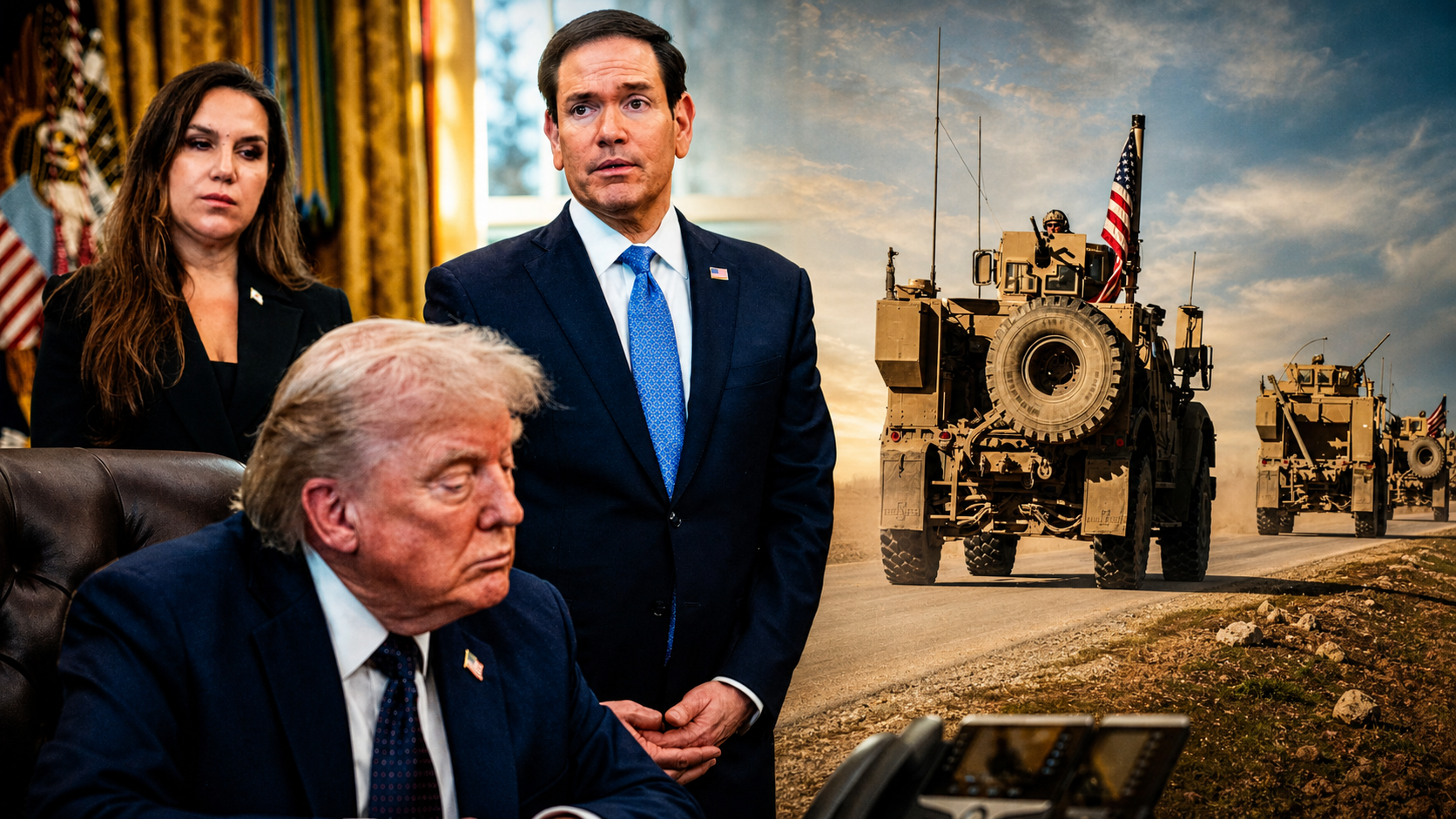
The move is politically significant because Secretary of State Marco Rubio used an emergency provision to authorize the “immediate sale” of the weapons. That step allowed the administration to bypass the standard congressional review process normally attached to major foreign arms sales.
Major Deals for Gulf States and Israel
According to the source material, the sales include rockets for Israel, Qatar and the United Arab Emirates, as well as air-defense systems for Qatar and Kuwait.
Qatar is set to purchase more than $4 billion in American-made Patriot missile interceptors. Patriot systems are designed for air and missile defense, and the report said global stockpiles of the interceptors have been reduced during the war with Iran.
Israel, Qatar and the UAE are also expected to receive the Advanced Precision Kill Weapon System, a U.S.-made system that uses laser-guided rockets. The source material does not provide further operational details about the planned transfers.
Kuwait’s portion of the package includes an advanced aerial defense system valued at about $2.5 billion, according to the report.
Emergency Authority Bypasses Congressional Review
Foreign arms sales by the United States are typically subject to congressional notification and review. In this case, the State Department used an emergency authorization to move the sales forward more quickly.
The source material said the decision drew criticism from Democratic lawmakers, who objected to the administration bypassing the usual congressional process. It also said this was the third time the second Trump administration had used emergency authority during the Iran war to avoid standard congressional review for arms sales.
The report did not include detailed responses from lawmakers or a full explanation from the administration beyond the emergency-sale authorization.
Regional Pressure During the Iran War
The arms packages come as several U.S. partners in the Middle East have faced repeated attacks during the U.S.-Israeli war with Iran, according to the source material. The report said Persian Gulf countries and Israel had come under barrages involving Iranian drones and ballistic missiles.
For international readers, the Persian Gulf refers to the strategic region that includes several energy-rich Arab states, including Qatar, Kuwait and the United Arab Emirates. These countries maintain close security relationships with Washington and have long relied on U.S.-made defense systems.
The UAE, Qatar and Kuwait are also located near key maritime and energy routes, making regional security developments closely watched by governments and markets beyond the Middle East.
Why the Sales Matter
The emergency sales highlight the growing demand for missile and air-defense systems during the conflict. They also place renewed attention on a long-running debate in Washington: how much authority the executive branch should have to approve major weapons transfers without extended congressional scrutiny.
Supporters of emergency arms transfers often argue that fast-moving conflicts require quick decisions to support partners. Critics, including lawmakers cited in the source material, have raised concerns when emergency provisions are used to limit Congress’s role in reviewing large-scale arms deals.
The source material does not independently verify the full operational impact of the sales or state when all equipment would be delivered.
Negotiations Remain at an Impasse
The approval comes as negotiations to end the U.S.-Israeli war with Iran remain unresolved, according to the report. No further details about the negotiations were included in the source material.
For now, the emergency arms packages signal that Washington is continuing to reinforce regional partners while diplomatic efforts have yet to produce a settlement. The decision also ensures that congressional oversight of wartime arms transfers will remain a central issue in the U.S. political debate.